


MEMORY, WORK, COMMUNITY
A family archive reveals what a community builds
The story collected by Polly Corvaia is more than a genealogy. The family’s departure from Schiavi di Abruzzo is intertwined with Pennsylvania’s coal mines, industrial work, education, a family business, cooking, gardening, sewing, and the community life of Reading.
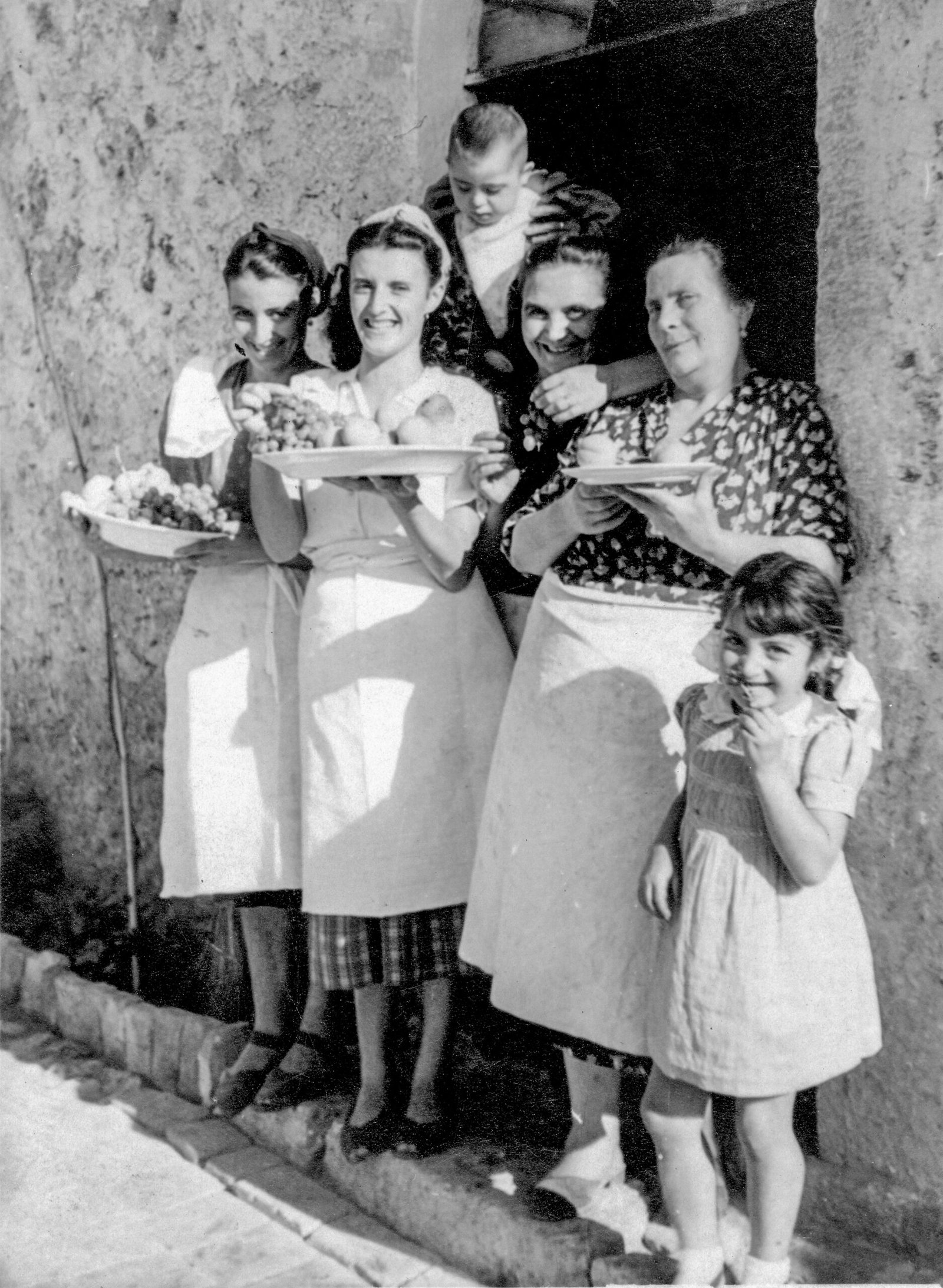
The photographs taken in 1951 add another dimension to the story. They show people and places in Schiavi, cross the ocean, and reemerge from a suitcase more than seventy years later.
FOUR CHAPTERS
From departure to the rediscovered photographs
LEAVING TO BUILD
From Pennsylvania’s coal mines to a new home
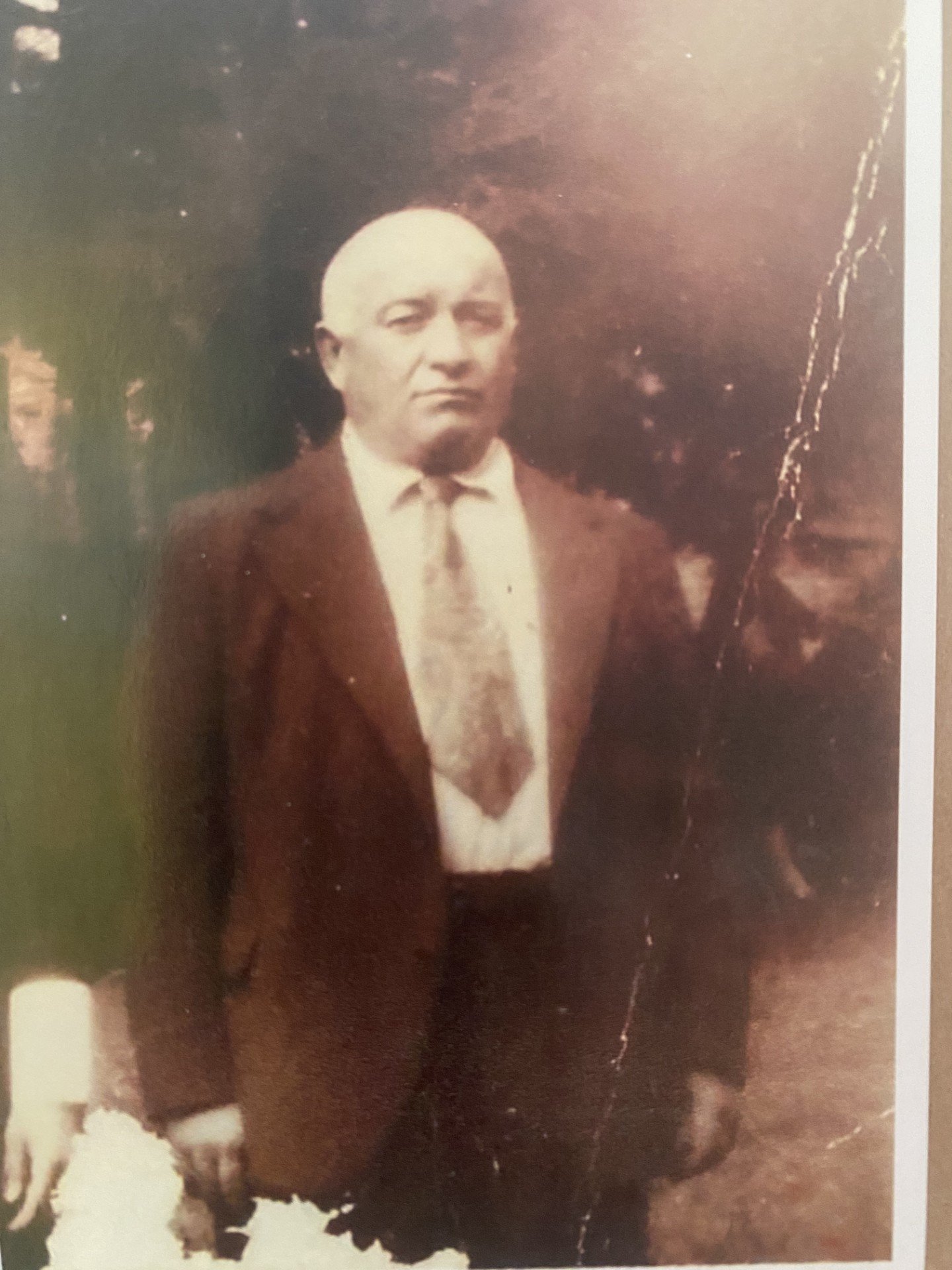
Alfonso “Fons” Tucci was born in Schiavi in 1893. At the age of twelve, he moved to Rome, where he worked as a stable hand. In 1913, he emigrated to the United States and found work in the coal mines around Tamaqua, Pennsylvania.
After serving in the U.S. Army, he returned to Italy and married Angiolina Masciotta. He then left again for the United States to work and prepare for his family’s arrival. Angiolina and their son Umberto joined him in 1927.
Their story reveals the practical side of migration: work, separation, repeated departures, and the patient construction of family continuity between Schiavi and Reading.
WORK, EDUCATION, ENTERPRISE
From industrial work to a family enterprise
Umberto Tucci, born in Schiavi in 1923 and raised in Reading, left school early to work. Before serving in the U.S. Navy, he was employed by Orr & Sembower, a manufacturing company in the city.
After the war, he studied chemistry at Albright College, taught science, and earned a master’s degree from Temple University. During the 1950s and 1960s, he and his brother Angelo operated Keystone Furnace, a business specializing in the installation and repair of heating systems.
The business was also passed on to the next generation. Umberto later developed a career in real estate, participated in the city’s educational life, and served as president of the Beneficial Society Victor Emmanuel II.
Industry
His first work experience in Reading’s manufacturing sector.
Education
Chemistry, teaching, and civic responsibility.
Enterprise
Technical skills passed from one generation to the next.
THE SKILLS THAT HOLD A COMMUNITY TOGETHER
Cooking, gardening, and sewing as everyday know-how
Michelina Ciampini, originally from Ascoli Piceno, married Umberto in 1951 and moved to Reading. She learned English by attending evening classes and took part in the city’s political and community life.
She worked in the kitchen of the Beneficial Society Victor Emmanuel II and in the deli department at Ciotti’s Grocery Store. She cooked for her family and neighbors; she and Umberto grew and preserved fruit and vegetables; and she was also an accomplished seamstress, known for repairing clothing and making garments for other people.
These skills are more than domestic memories. They are practical forms of knowledge that create independence, care, services, and relationships, allowing a family culture to travel across generations.
Cooking
Shared meals, work within the Italian community, and practical care for neighbors.
Gardening and preserving
Growing, preserving, and beginning again each spring to support the family.
Sewing
Clothing, repairs, and a recognized skill shared with other families.
THE PHOTOGRAPHS THAT CAME HOME
A 1951 journey, a suitcase, and a rediscovered memory
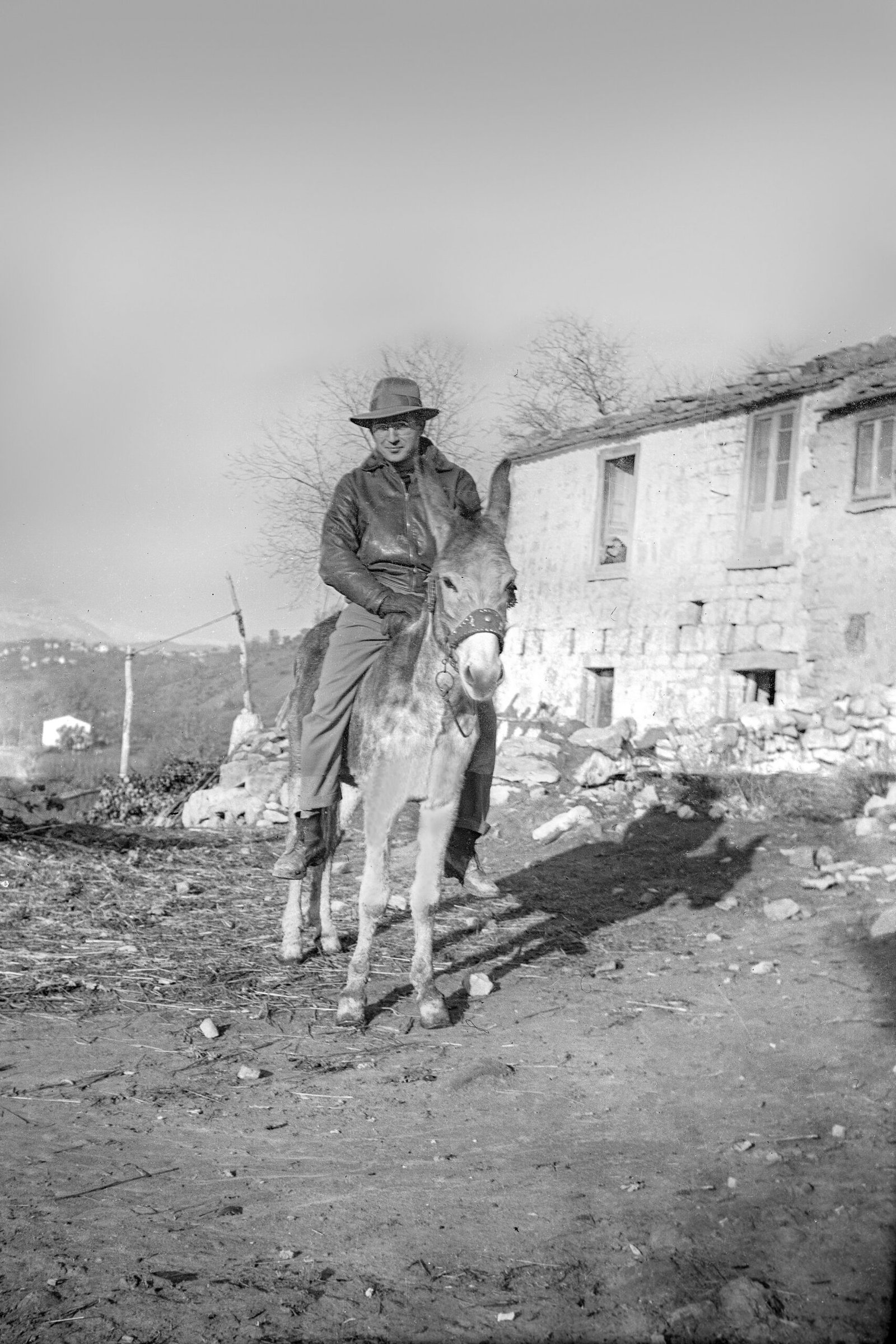
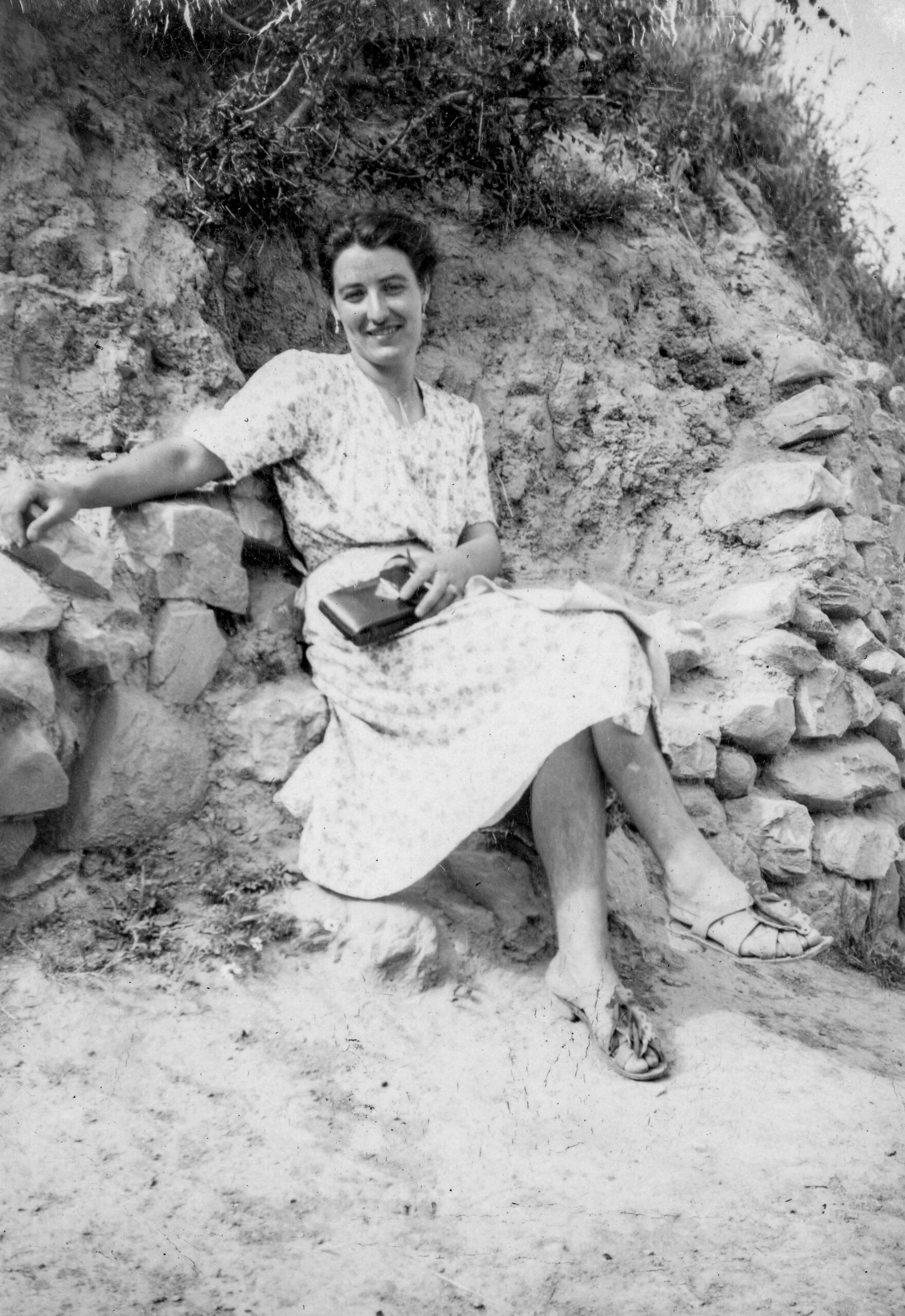
In 1951, Umberto returned to Italy and married Michelina. During the journey, he photographed his wife, relatives, and residents of Schiavi, leaving behind a rare record of life in the village during those years.
The film crossed the ocean and was developed in the United States. The photographs remained in a suitcase for more than seventy years. Rediscovered in 2025, they now reconnect faces, places, and generations.
1951 → 2025
From photographs taken in Schiavi to the rediscovery of the family archive in Pennsylvania.
THE TUCCI ARCHIVE
A first selection of images
People, landscapes, and family moments that allow us to see Schiavi through the eyes of someone returning from across the ocean.
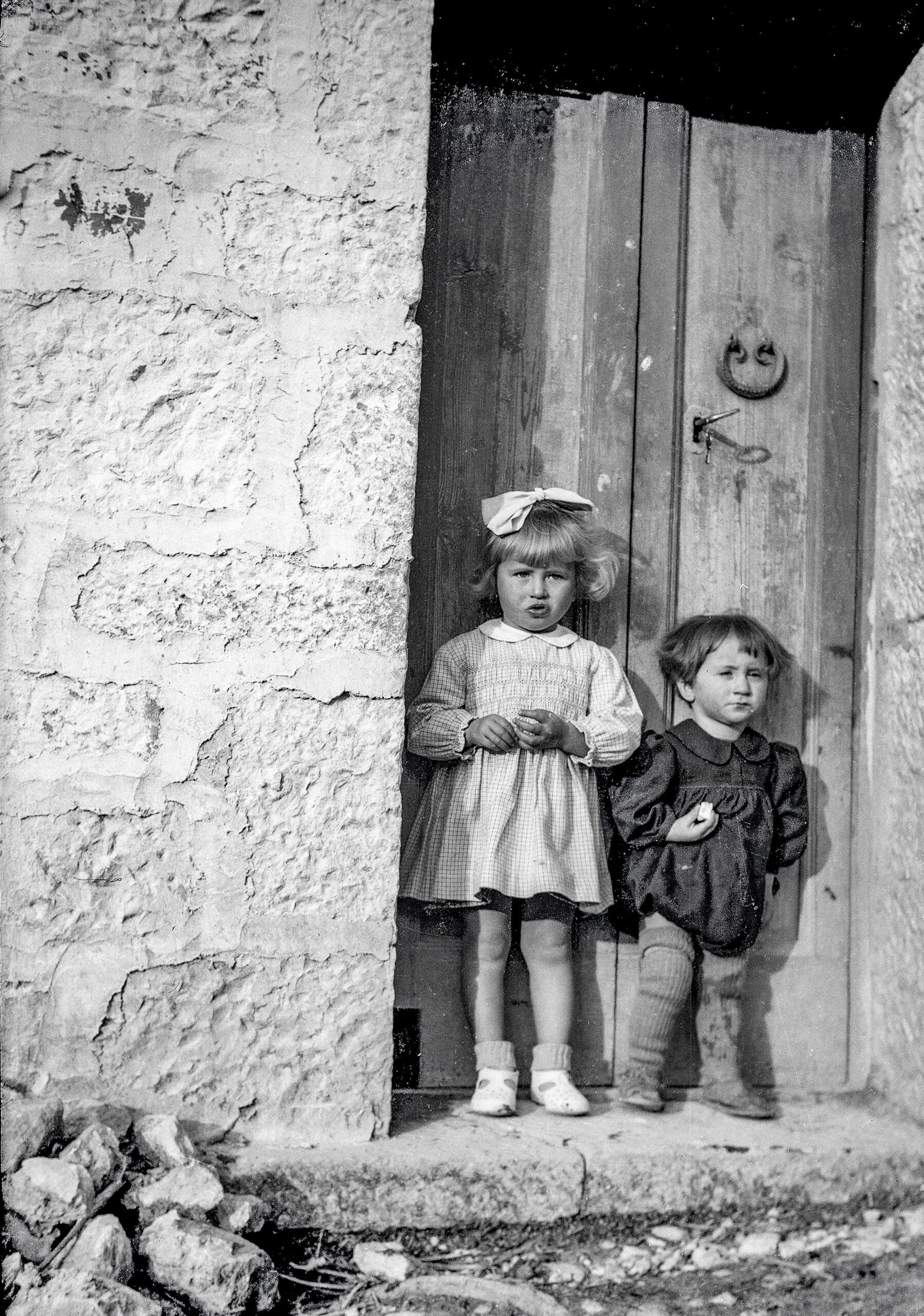
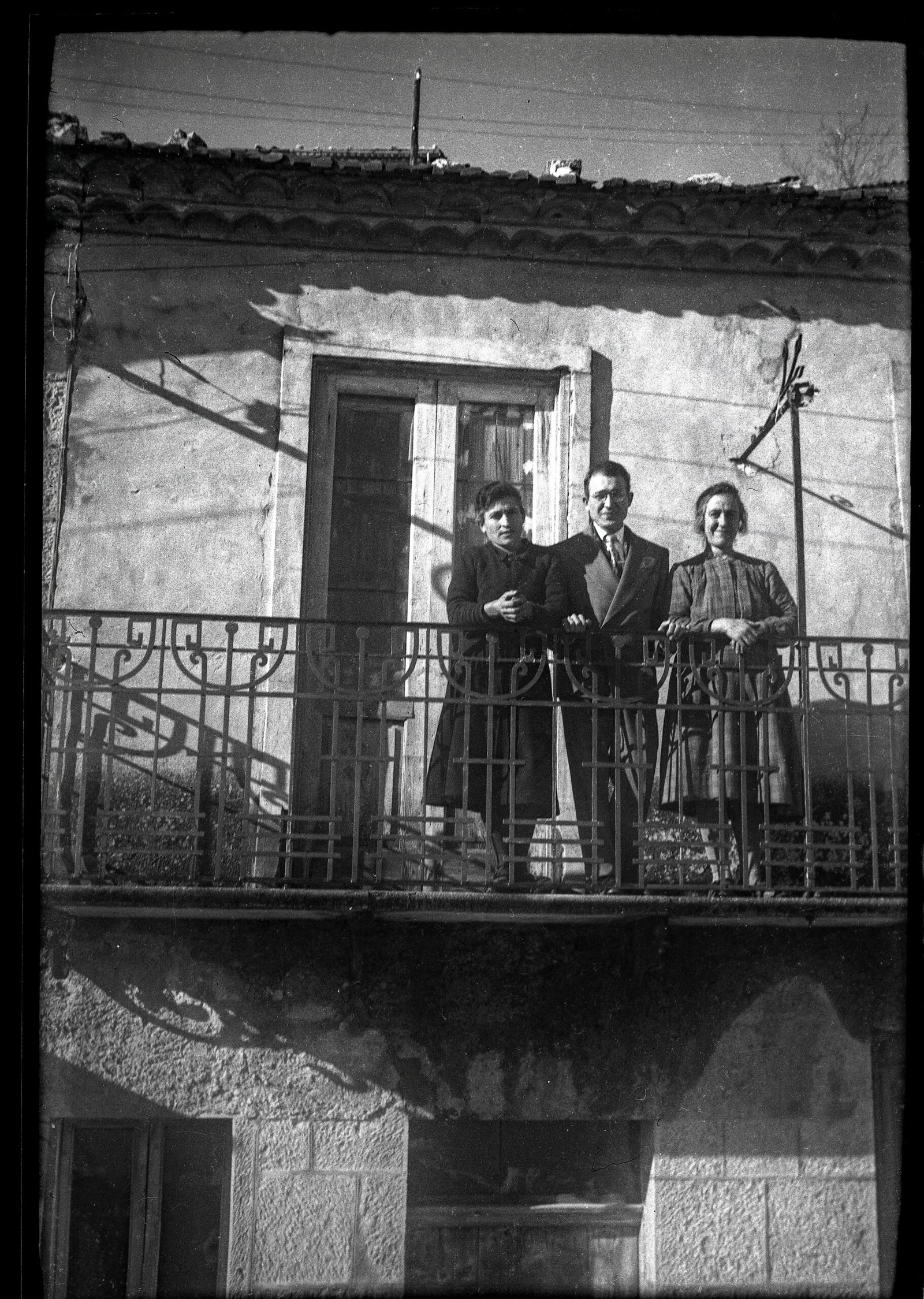
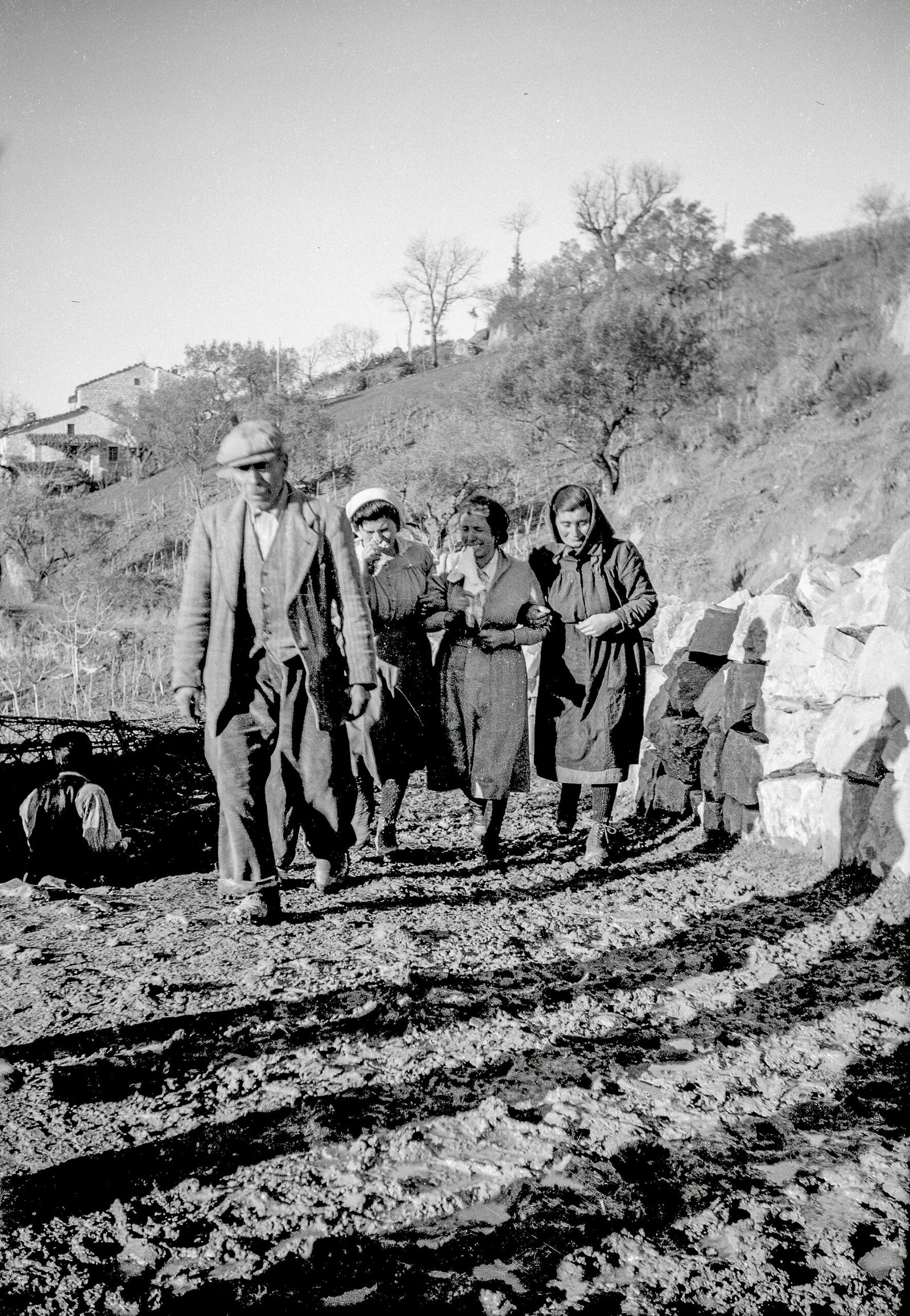
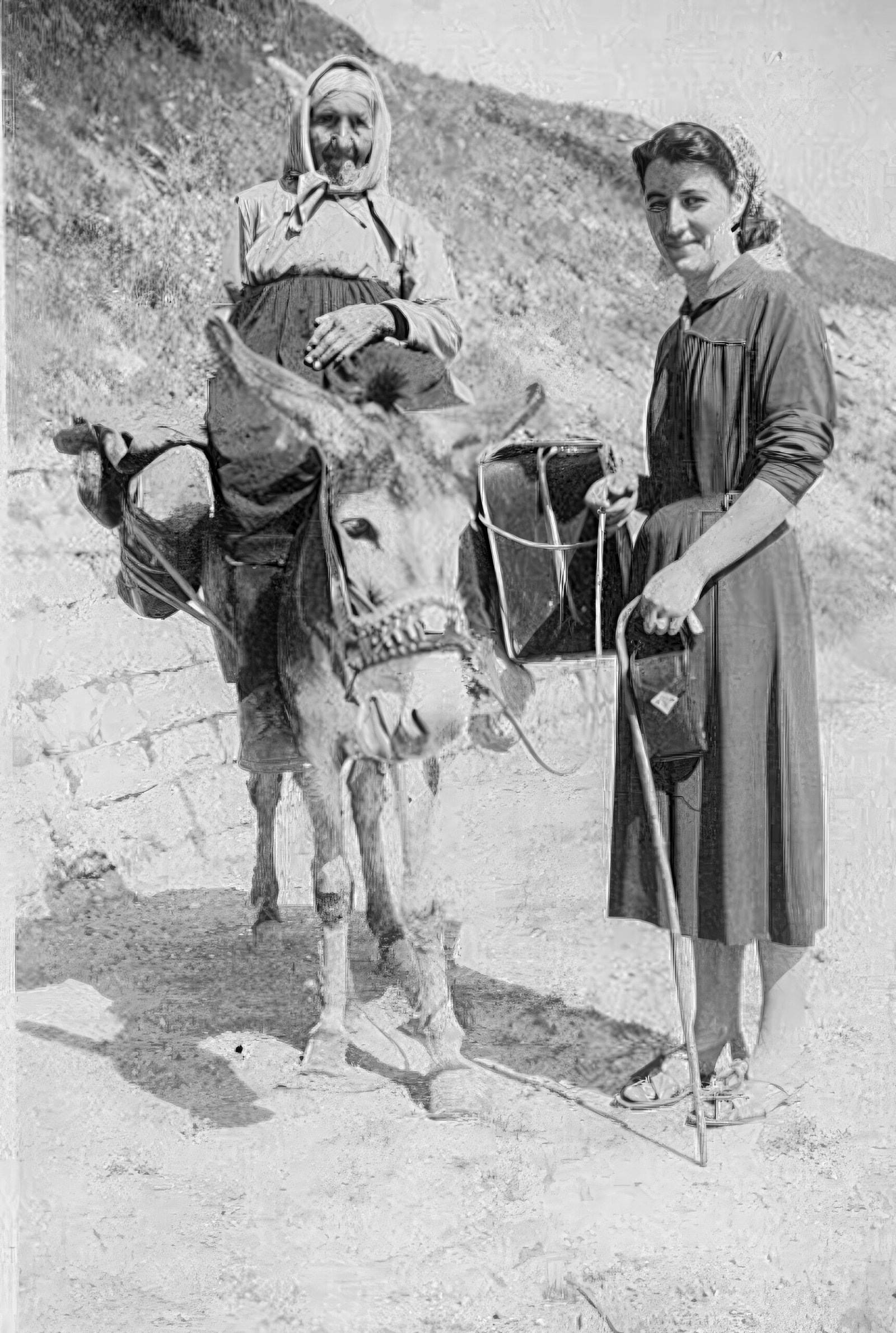
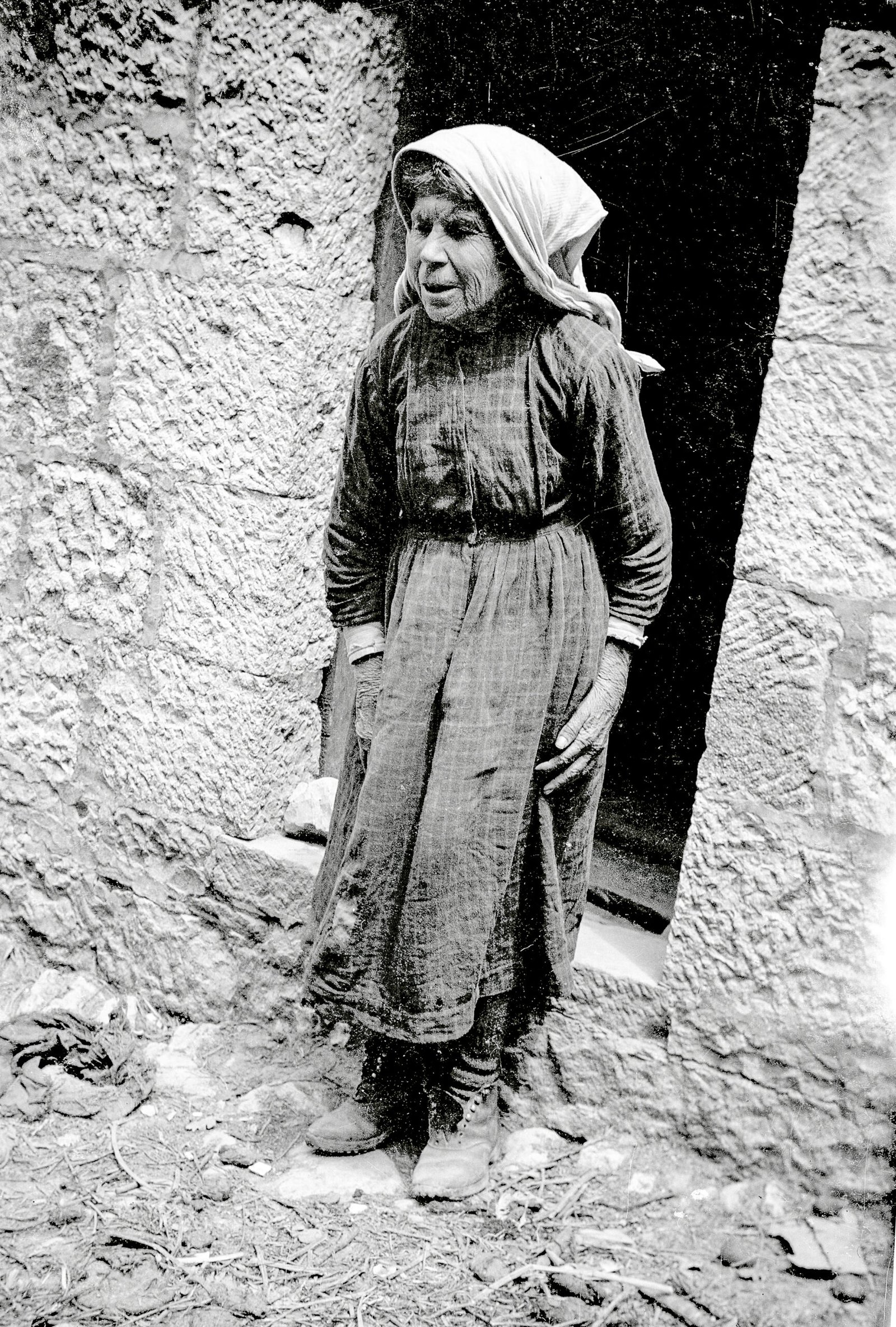
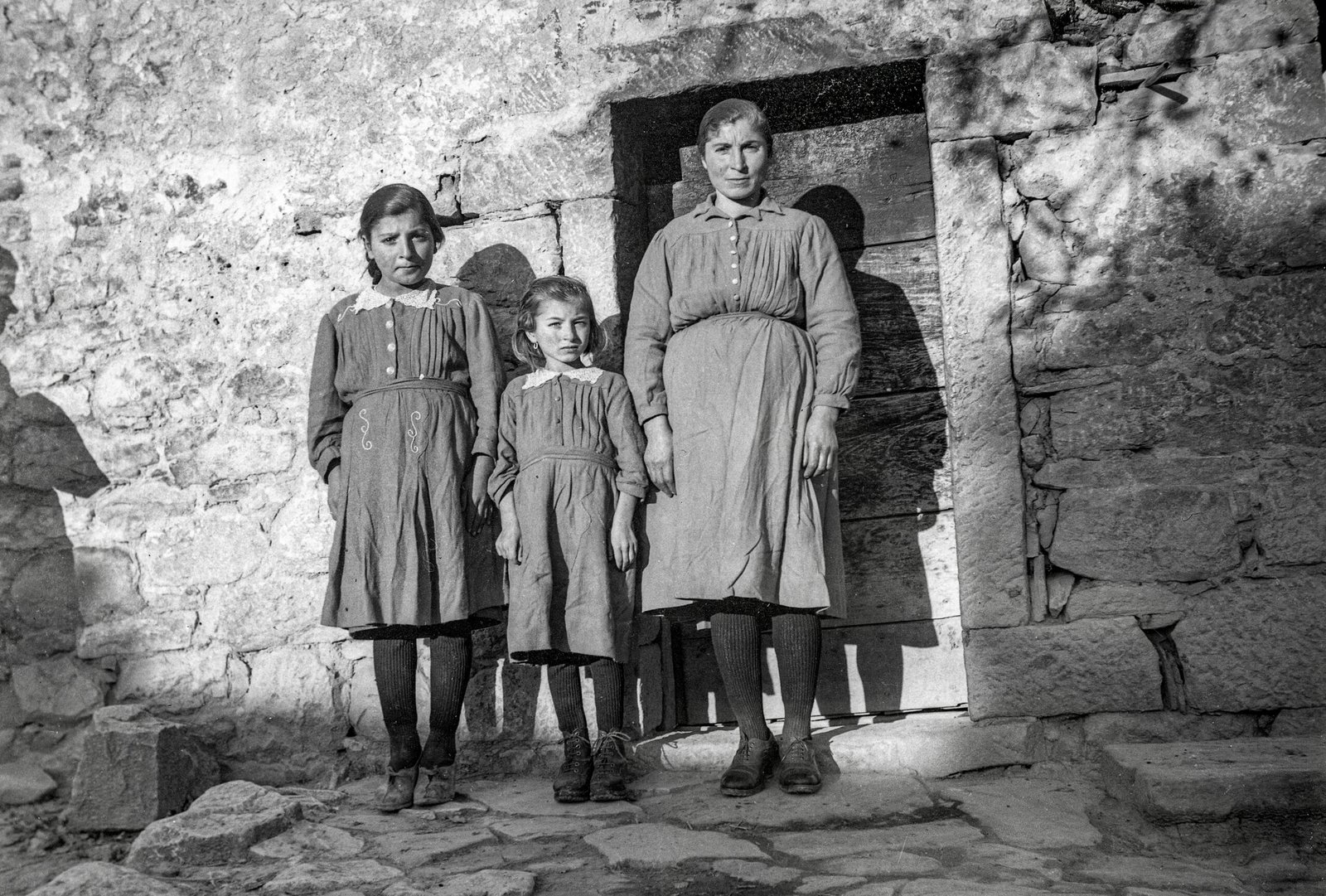
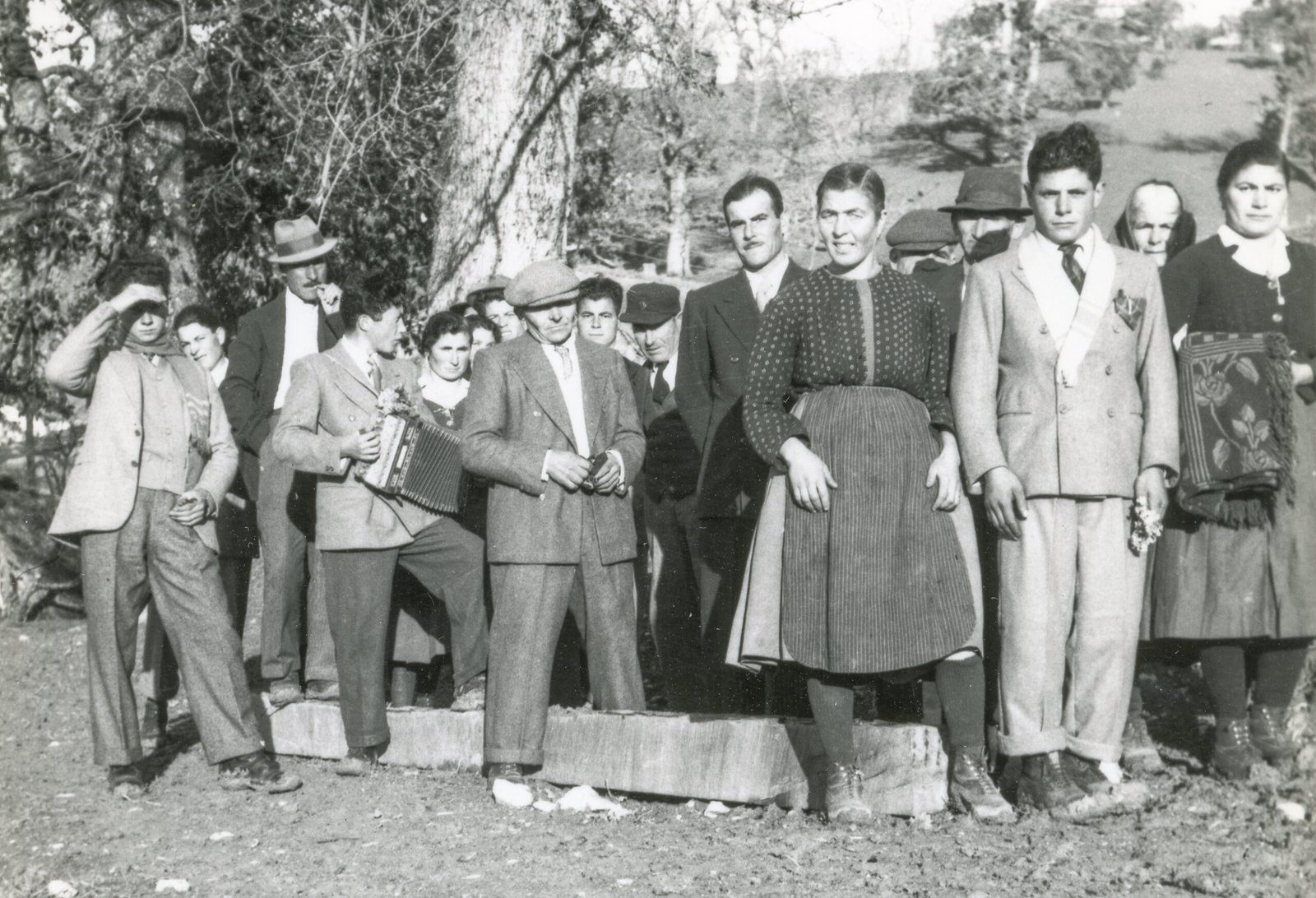
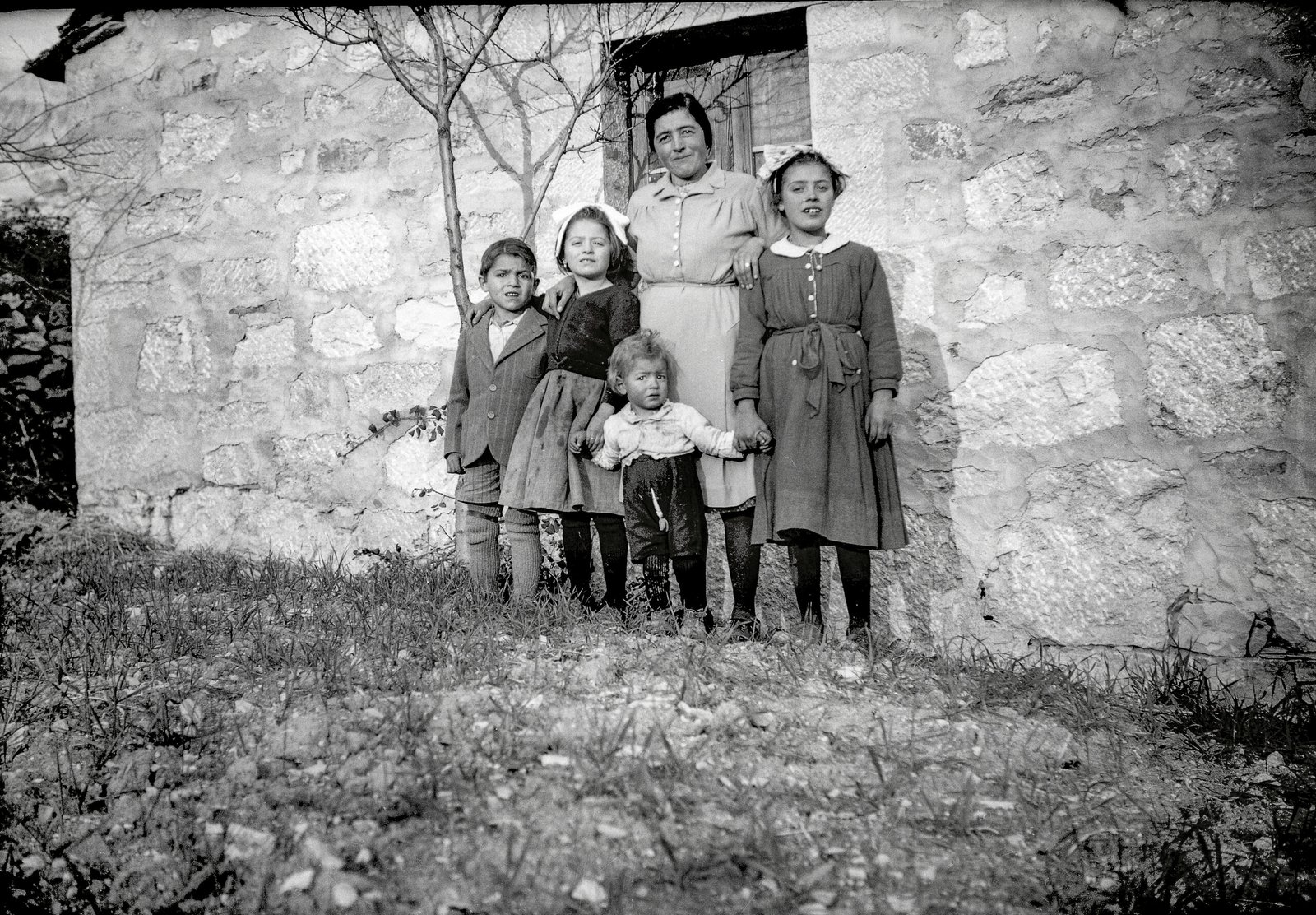
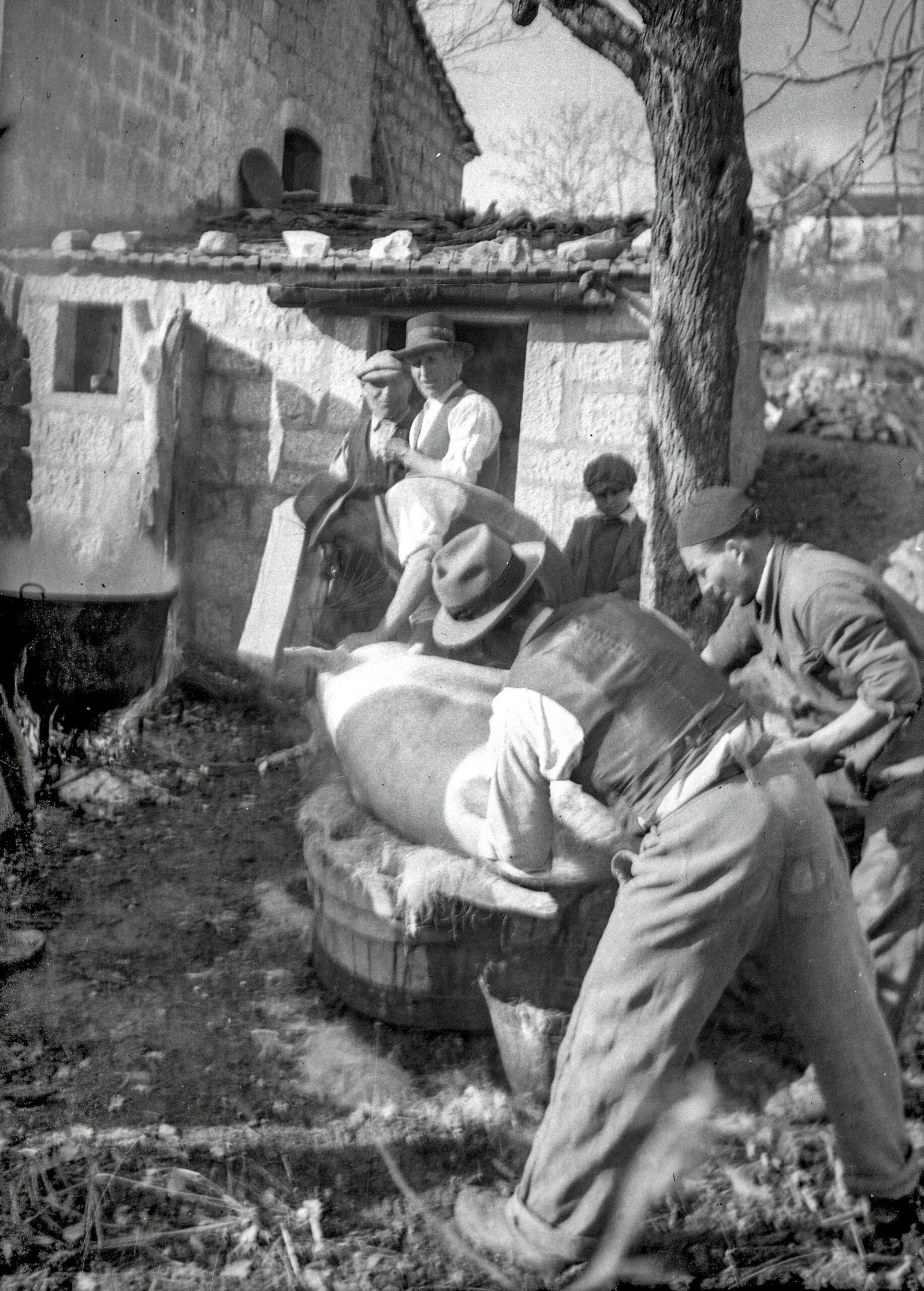
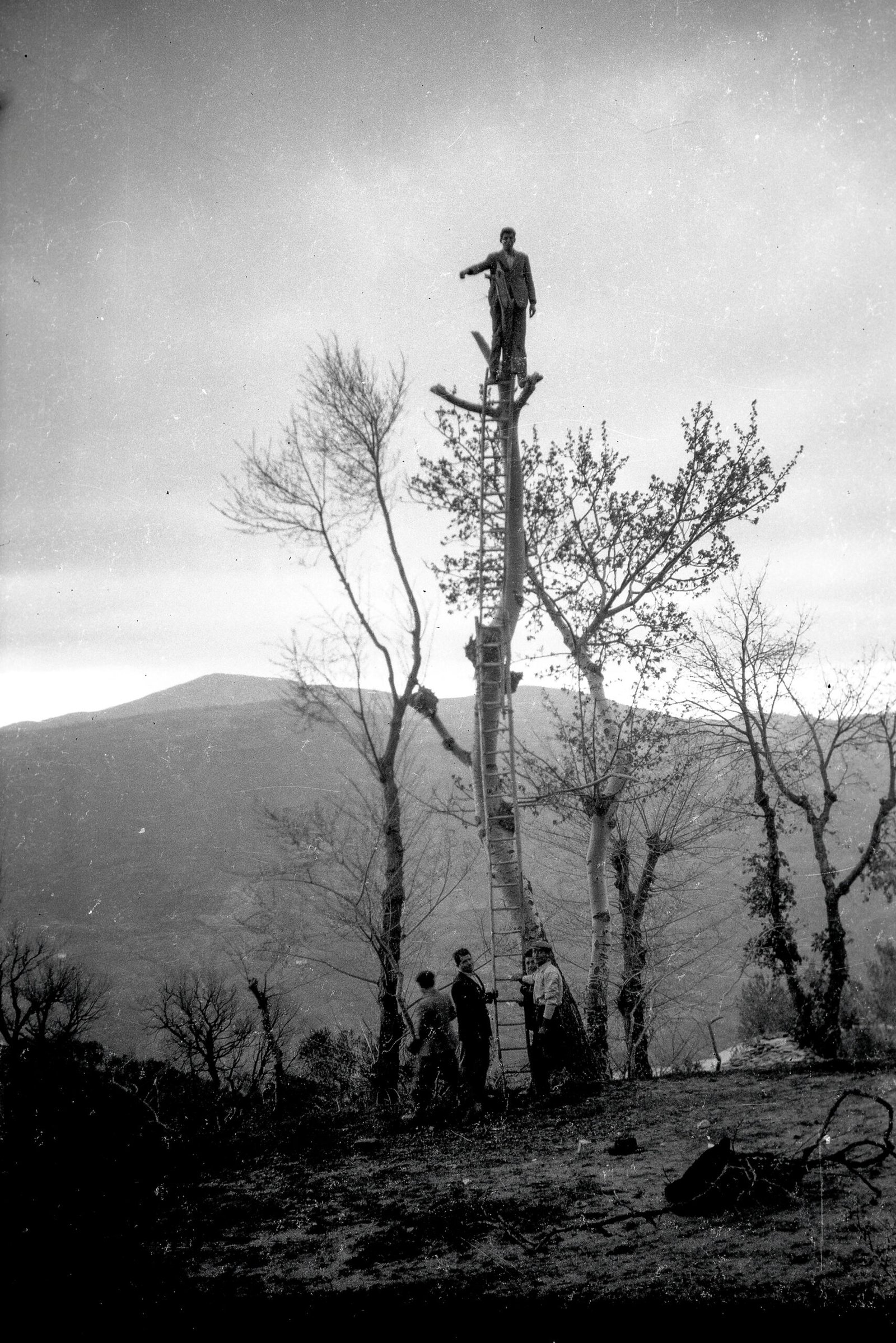
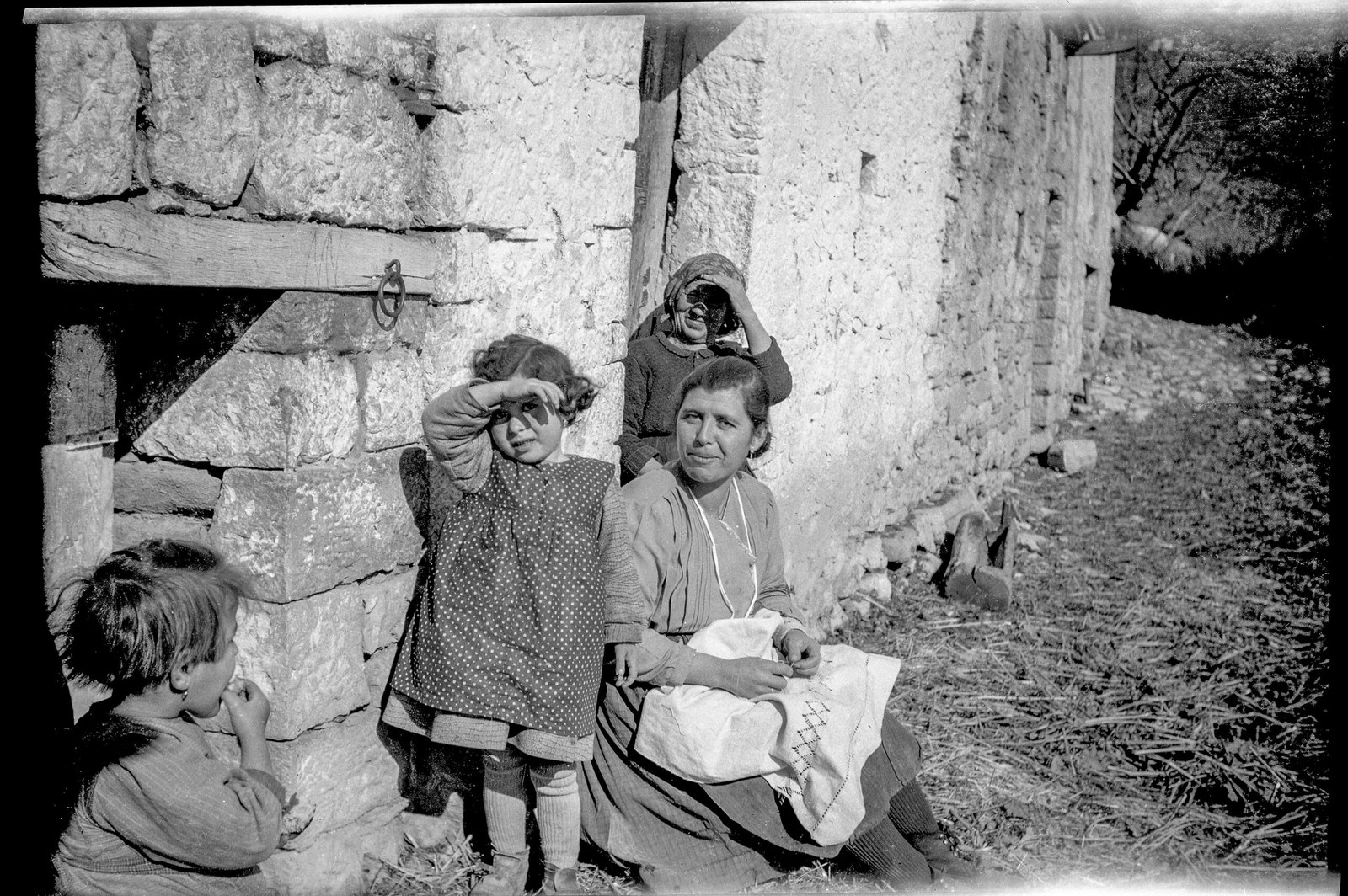
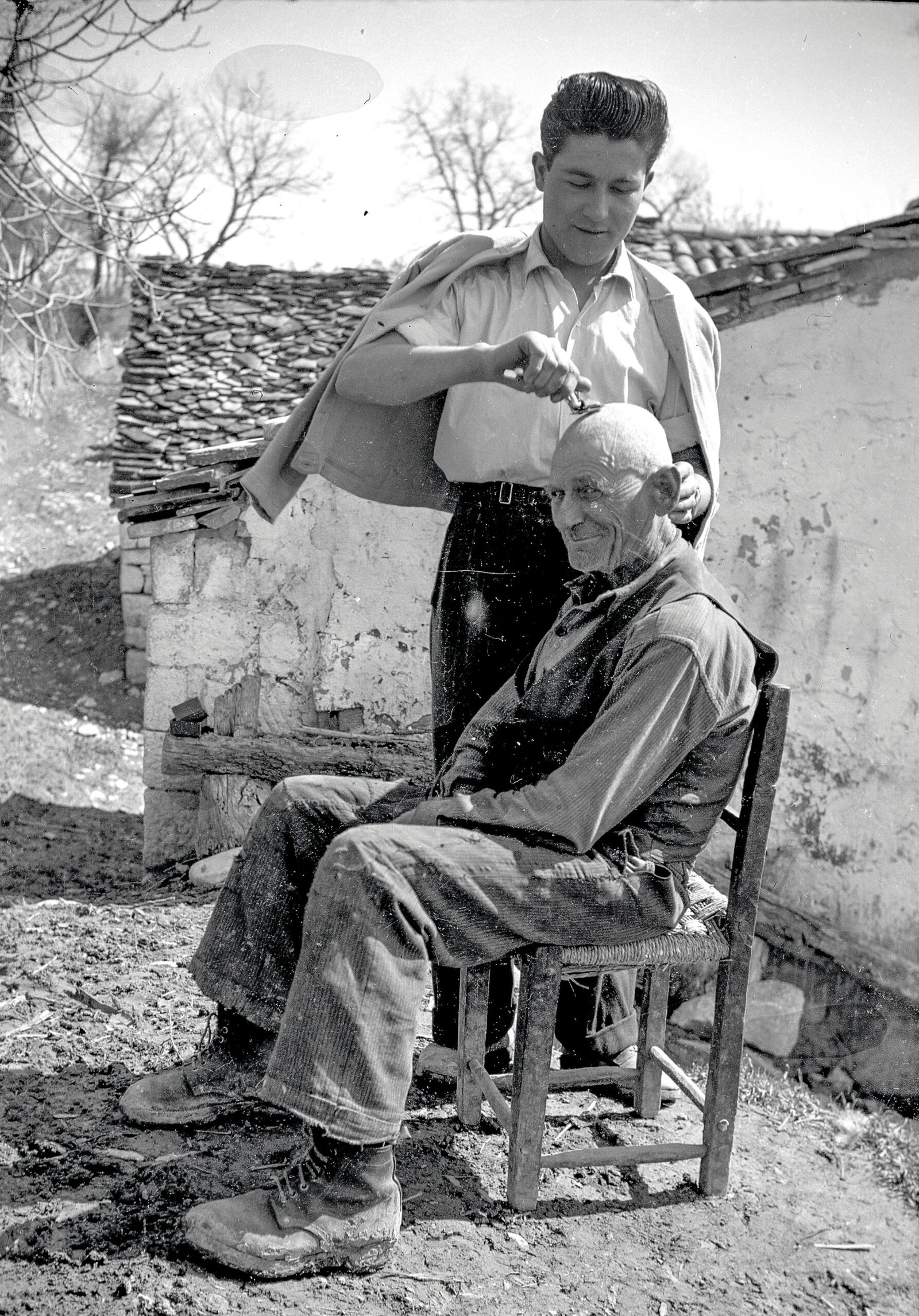
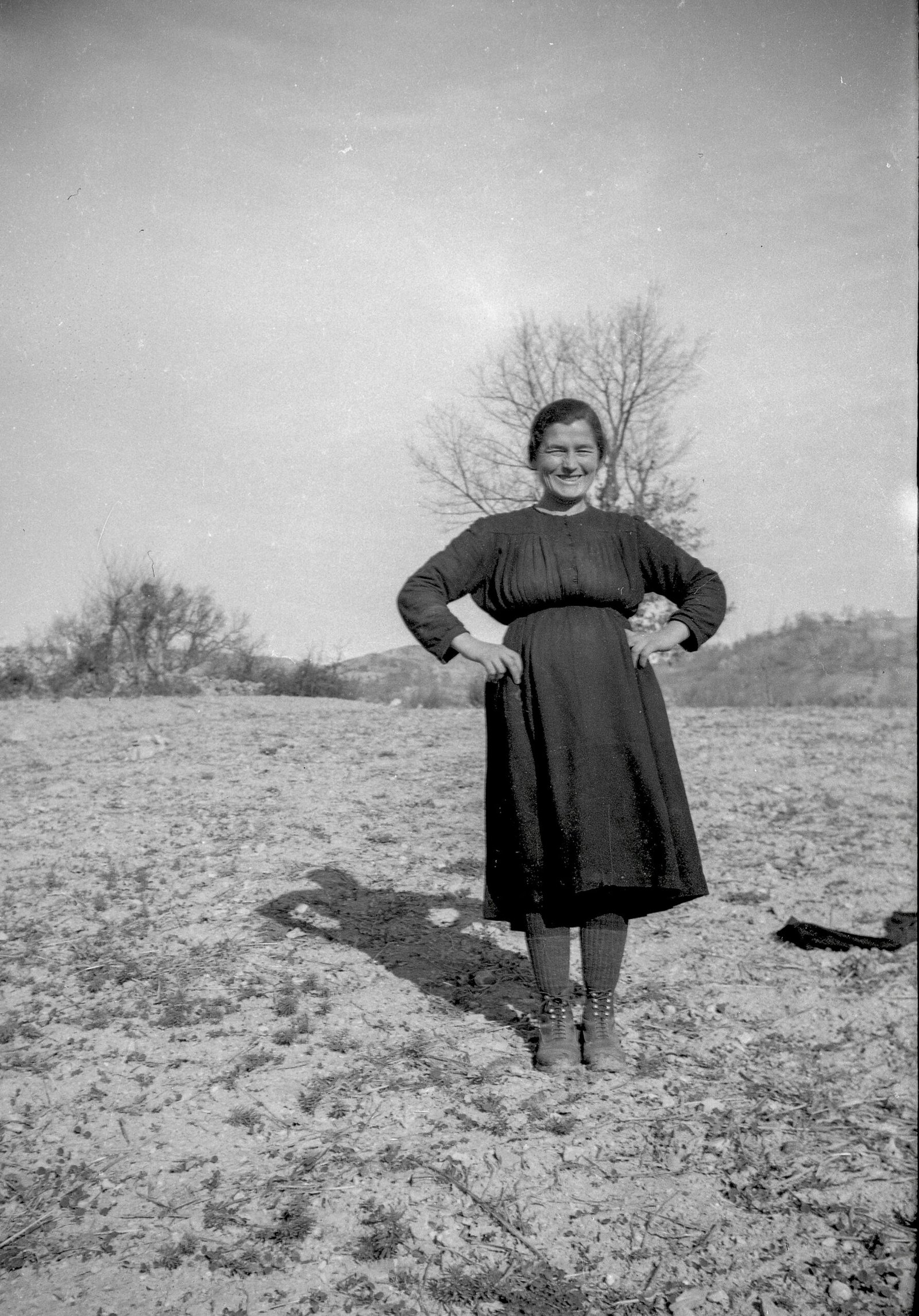
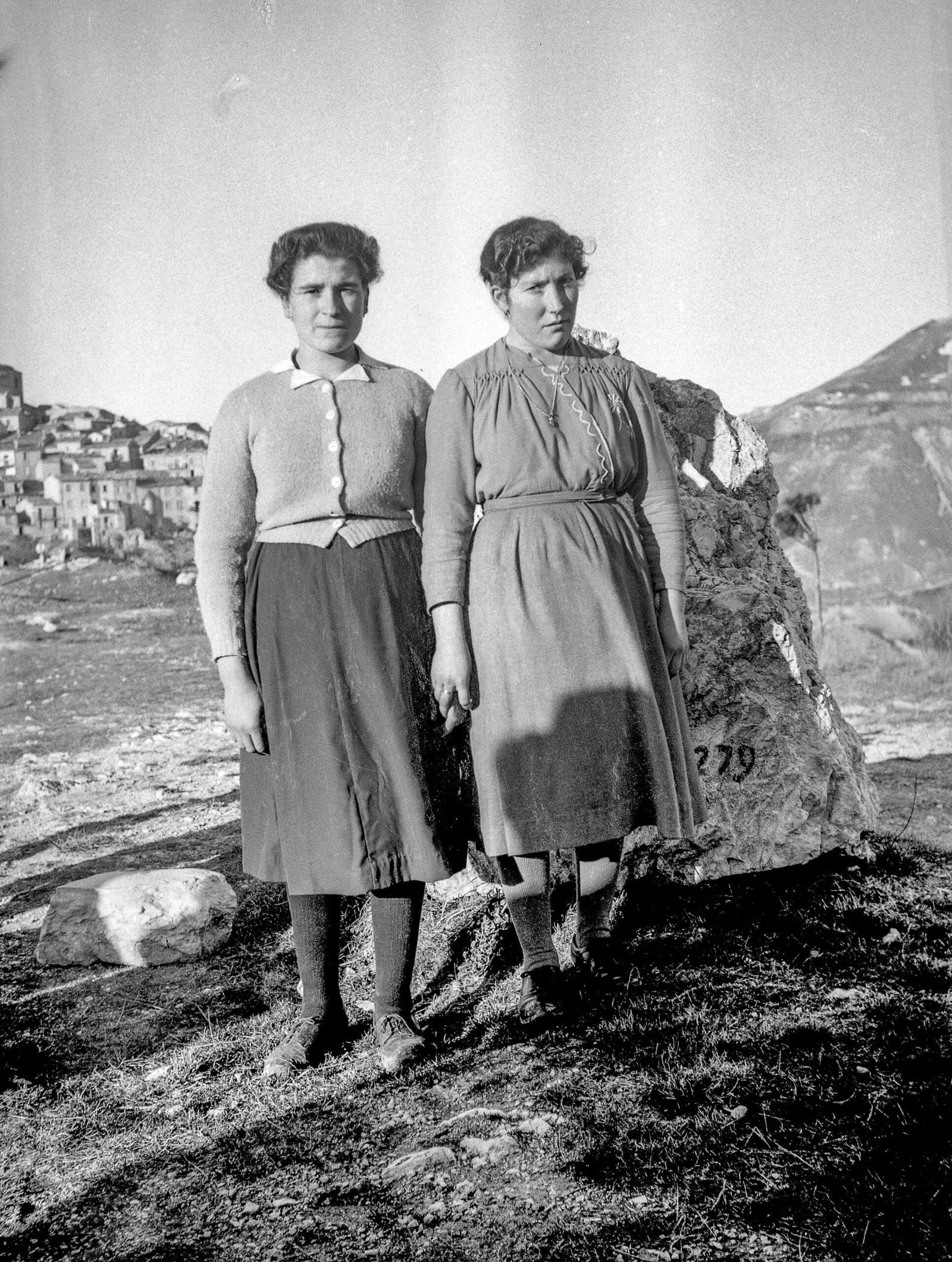
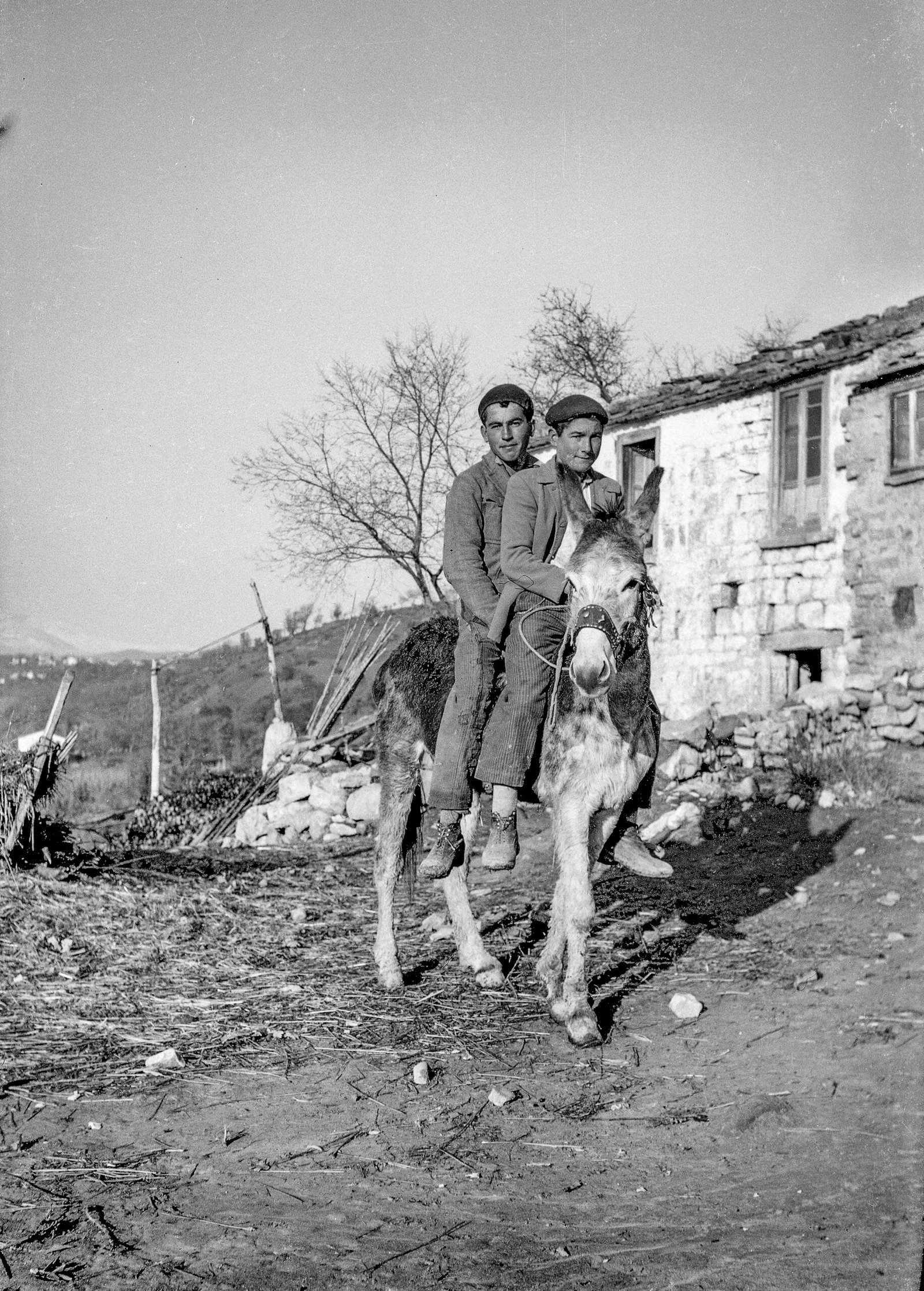
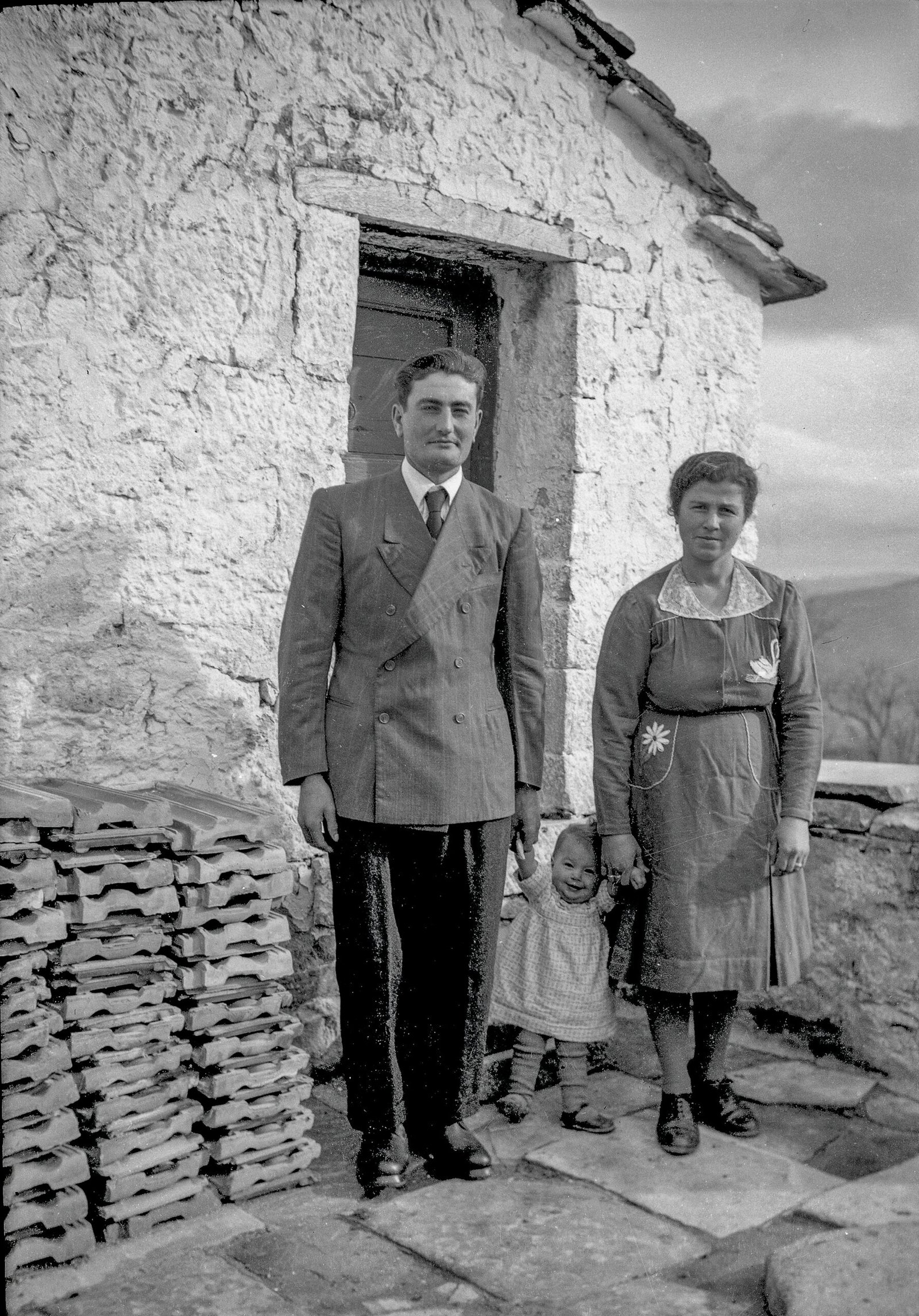
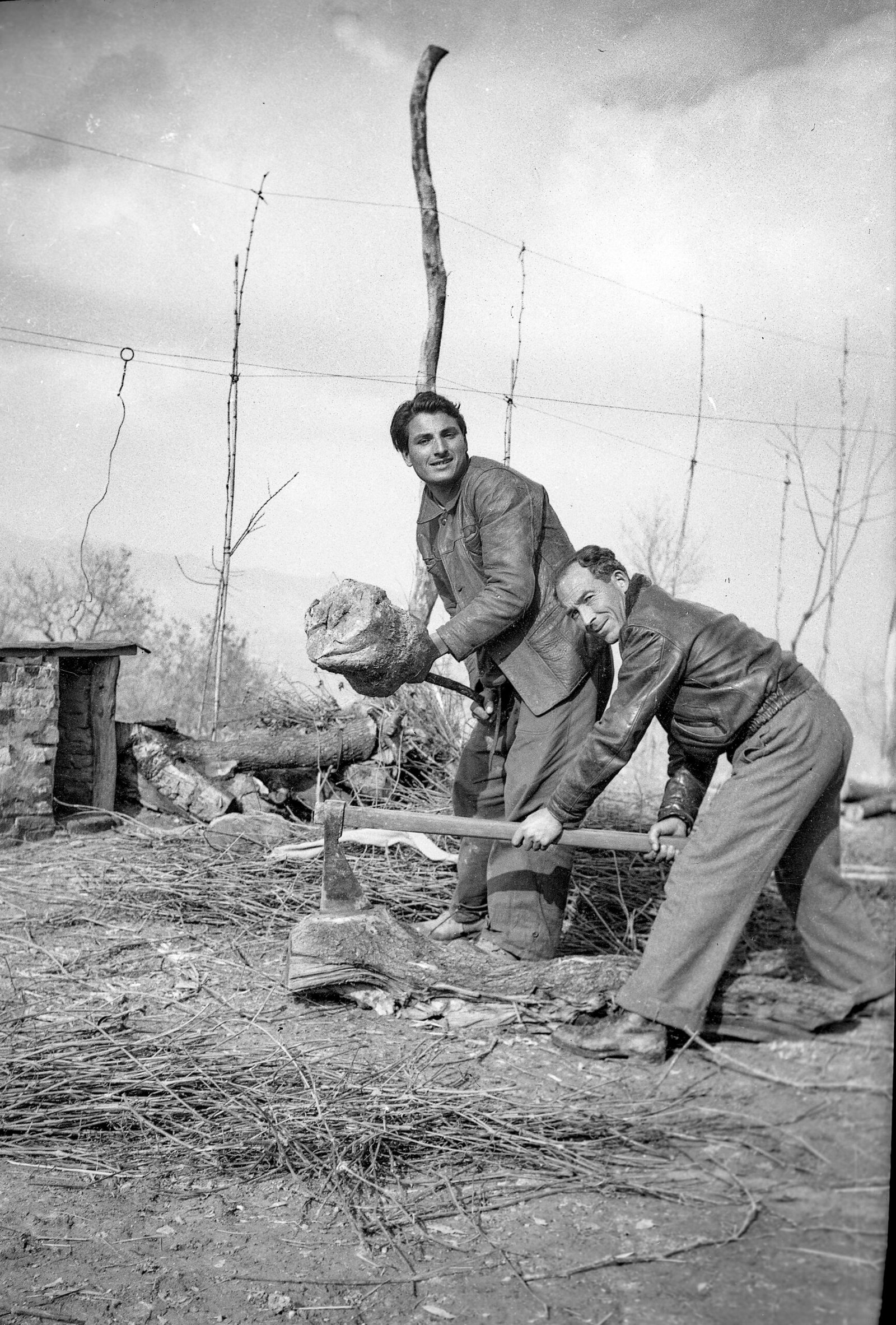
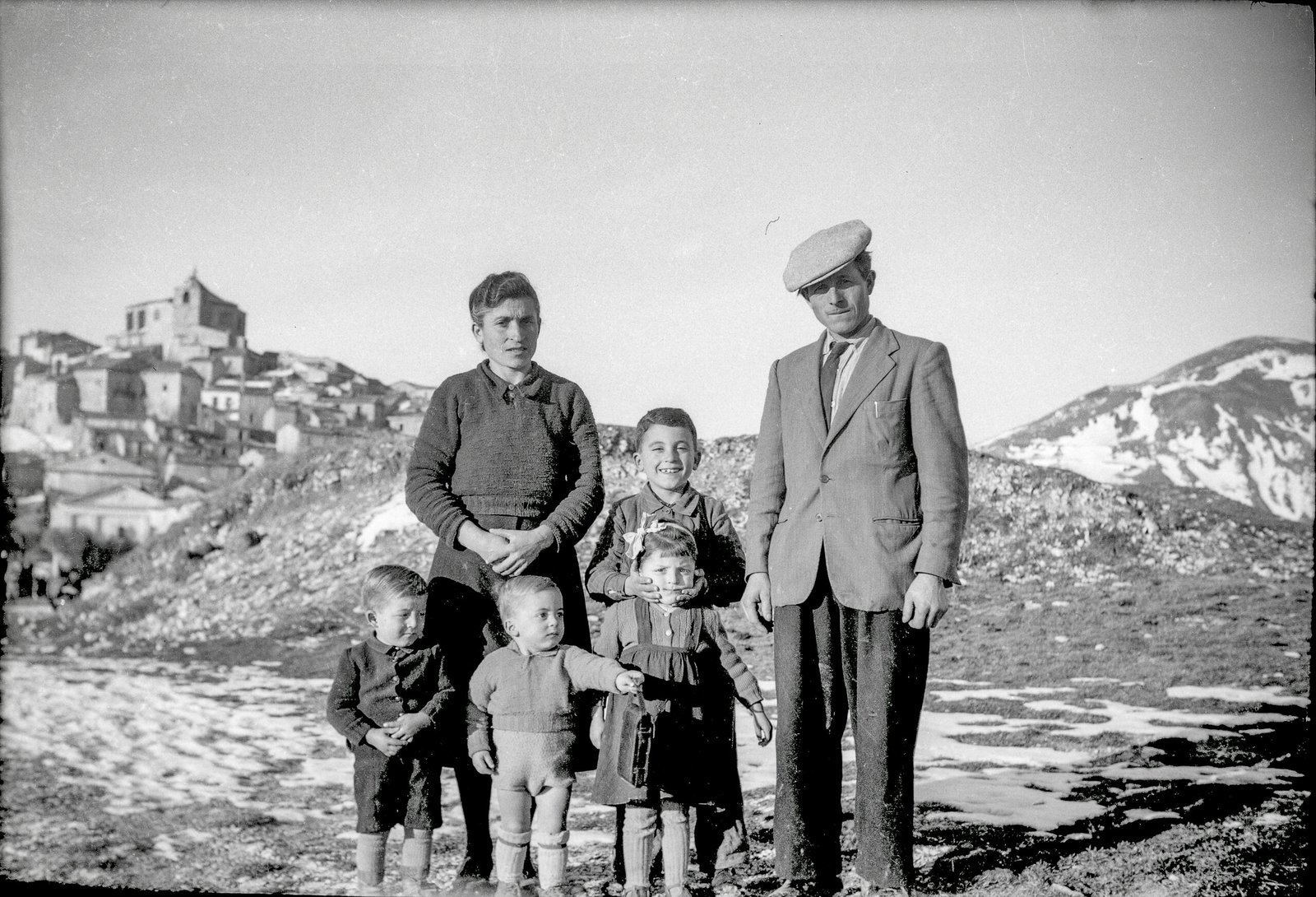
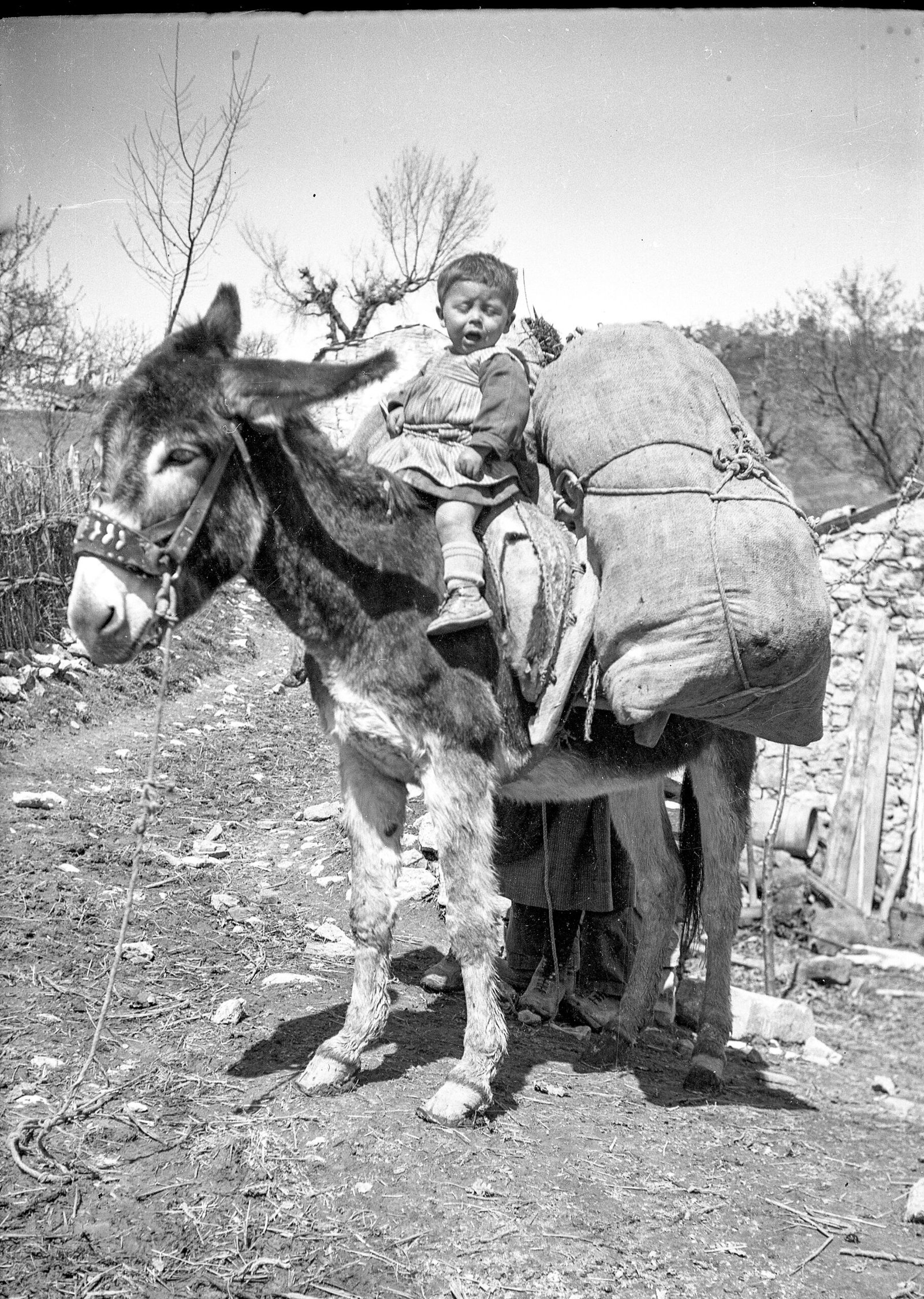
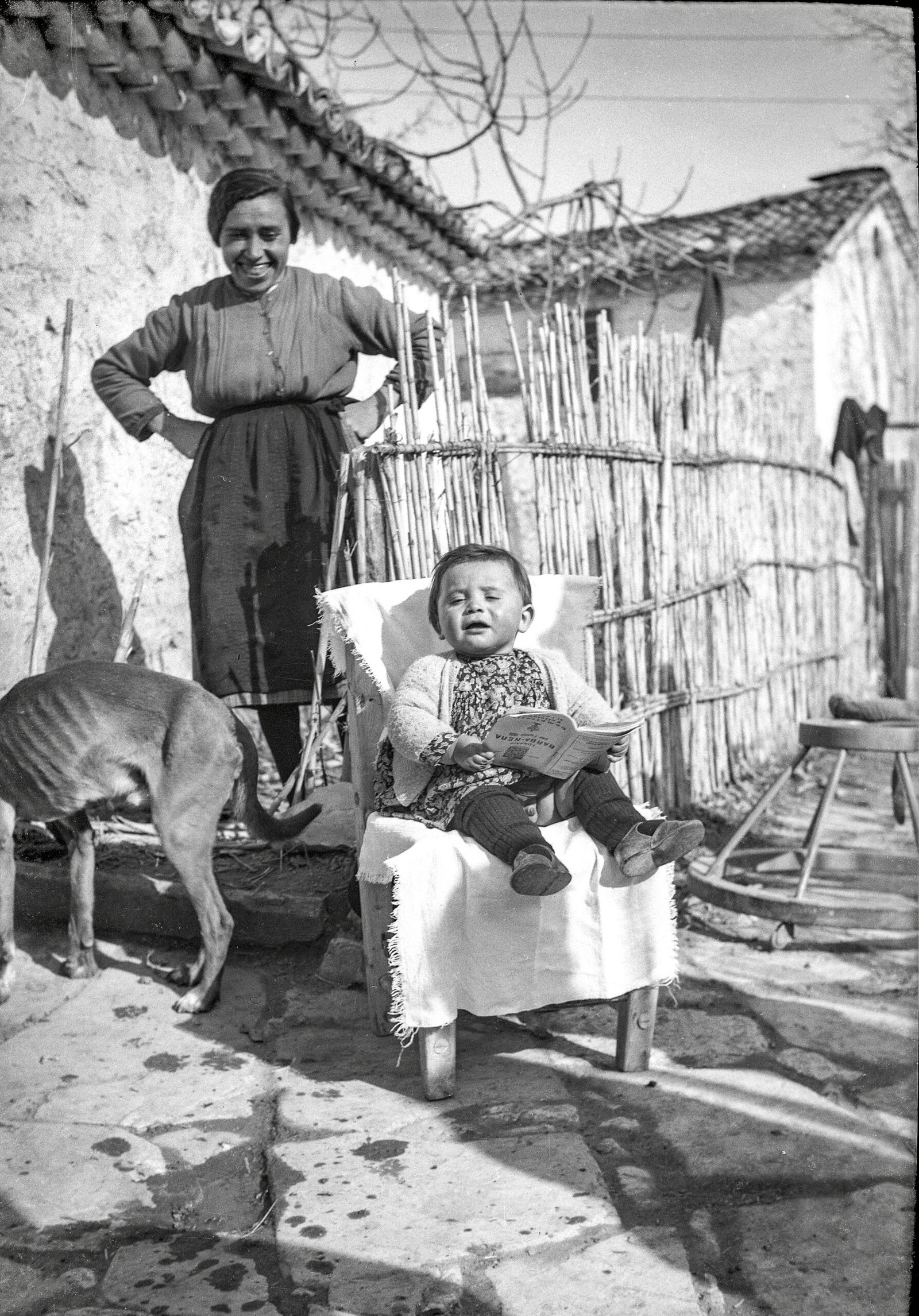
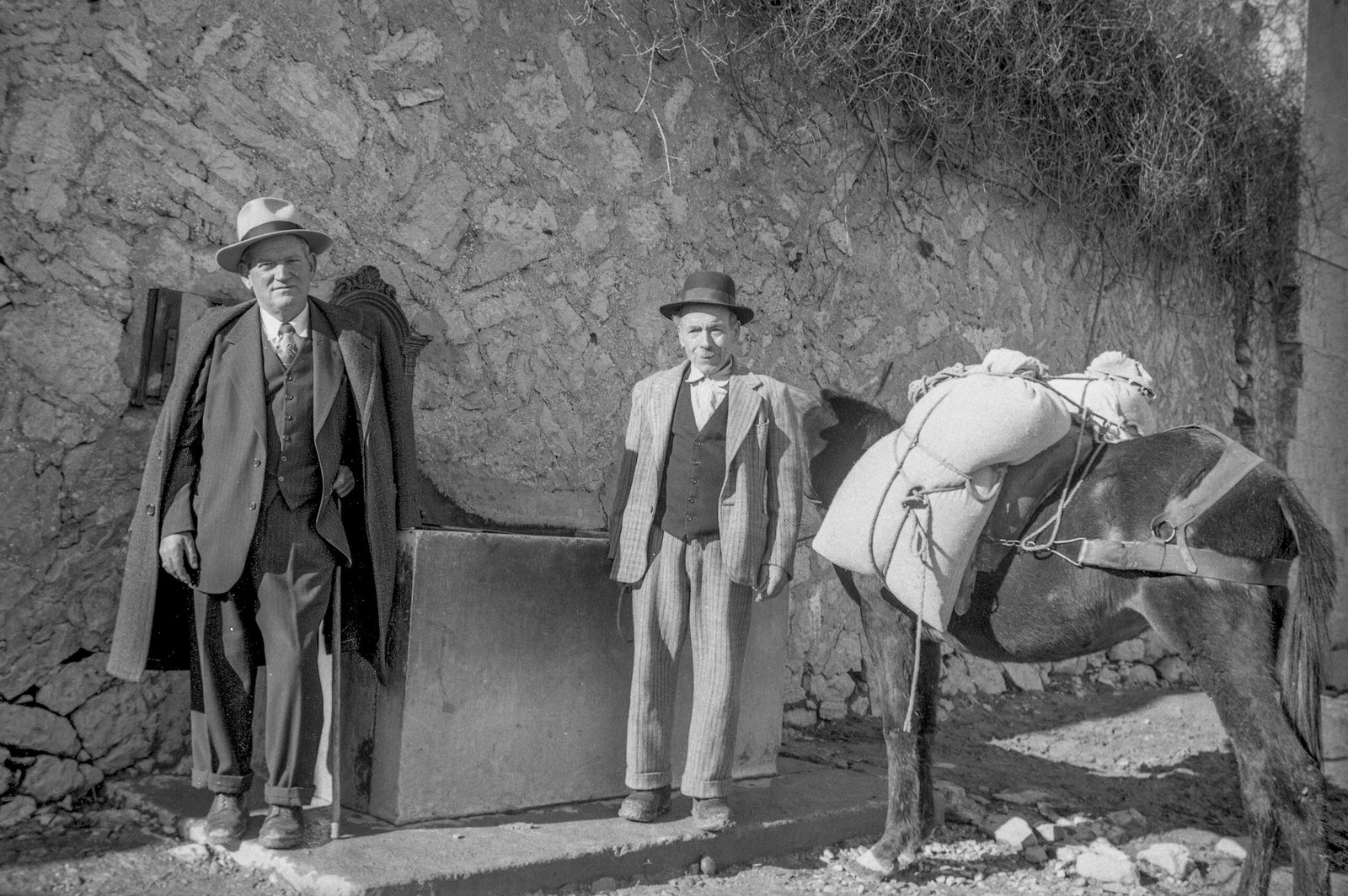
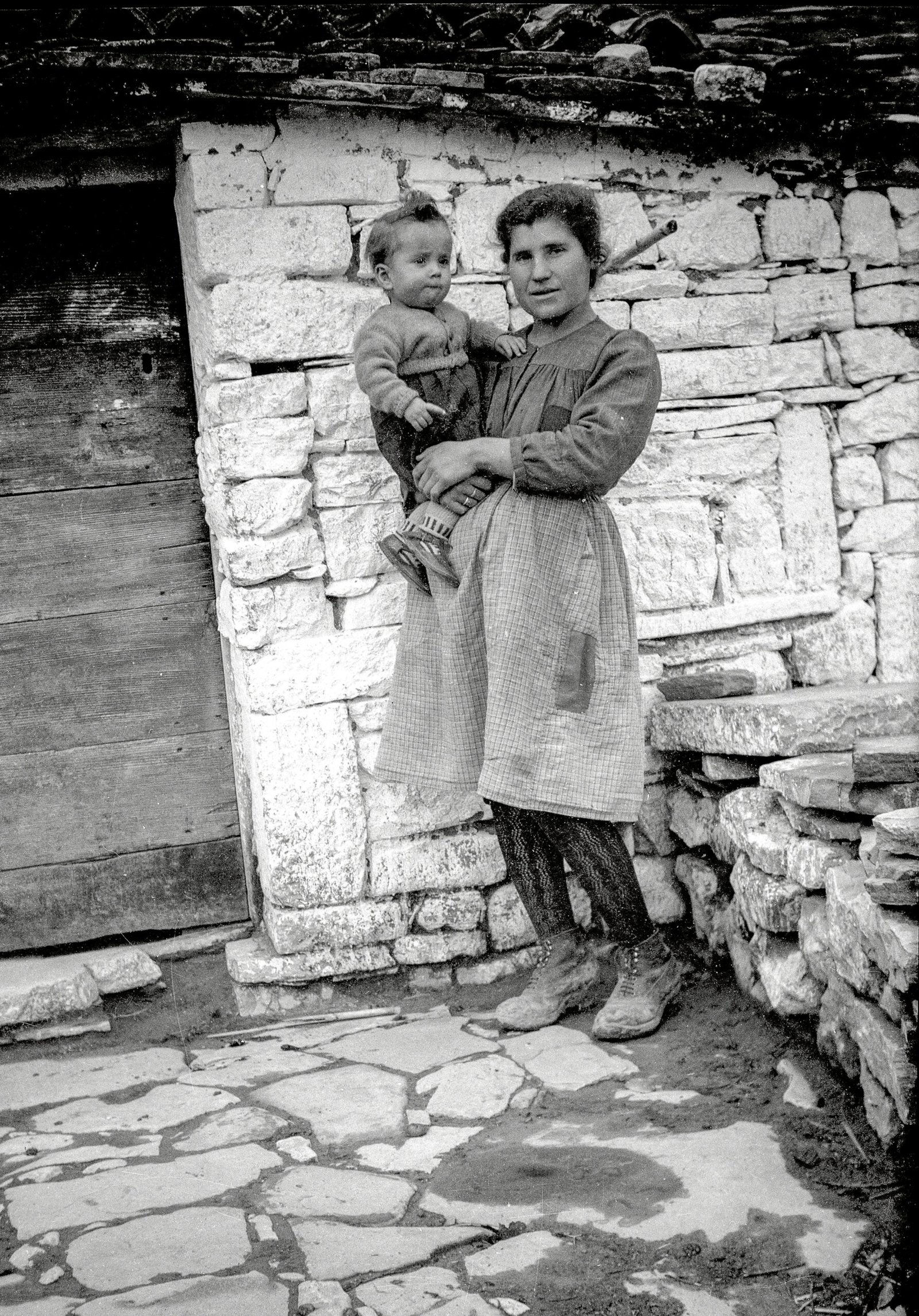
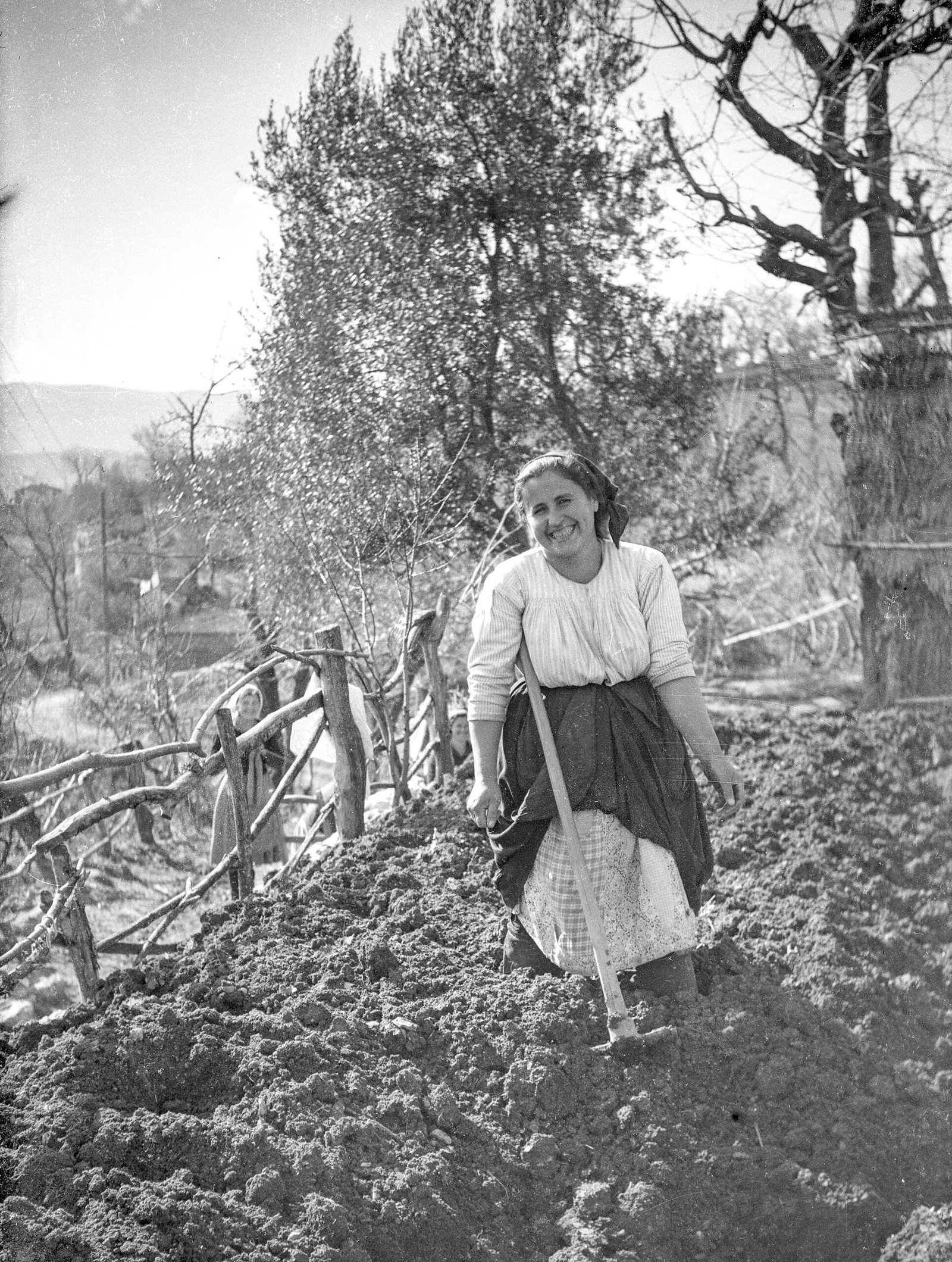
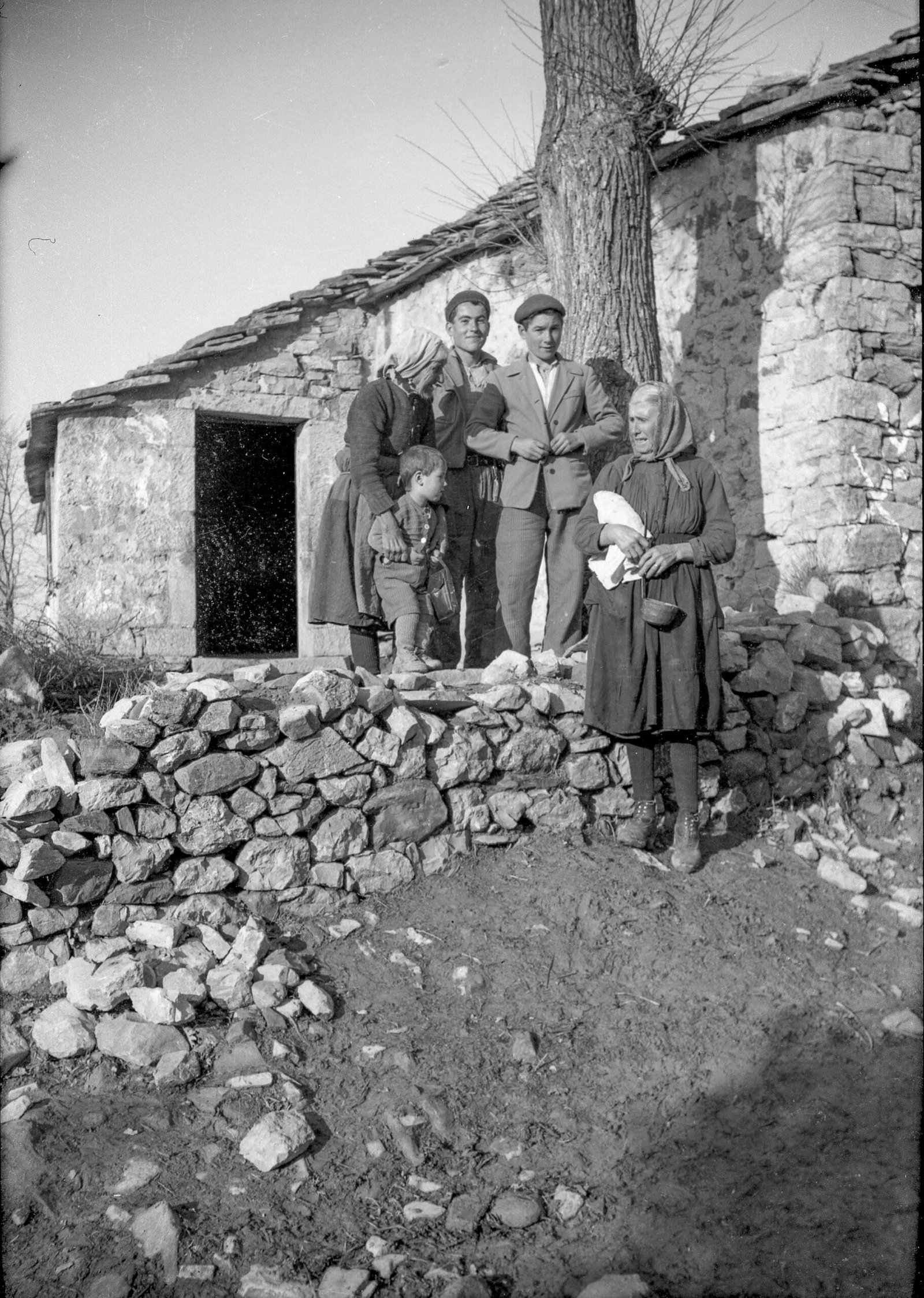
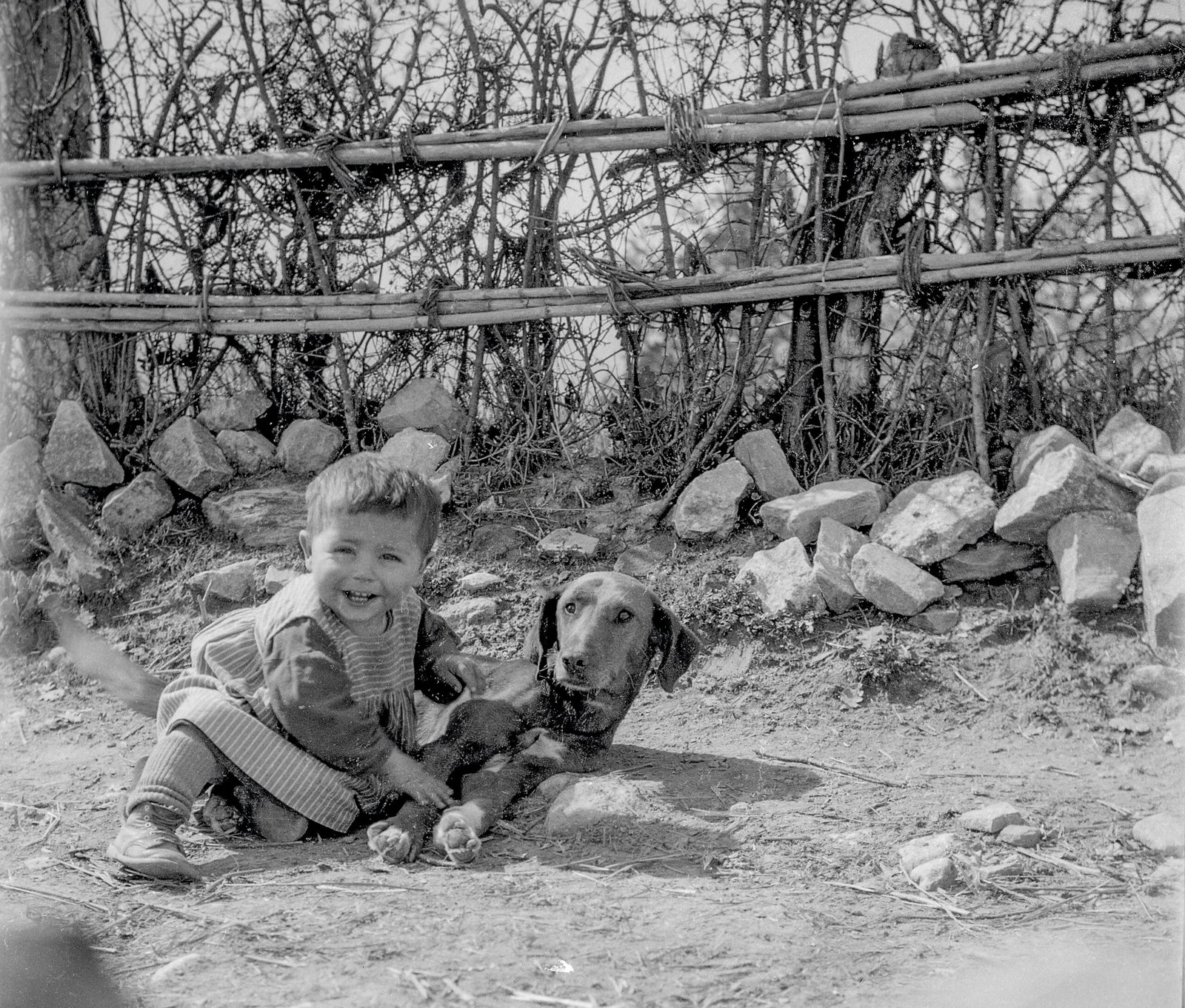
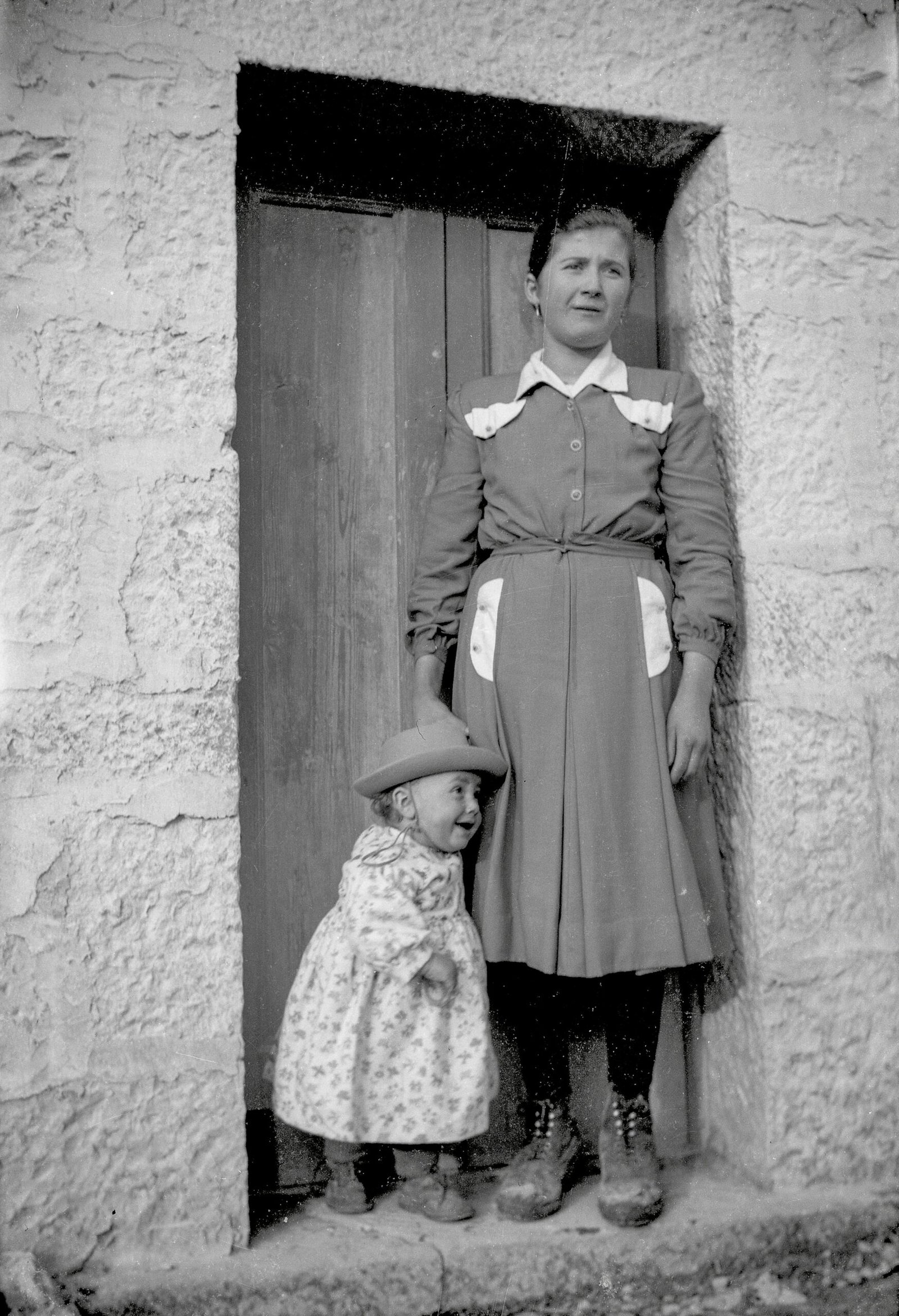
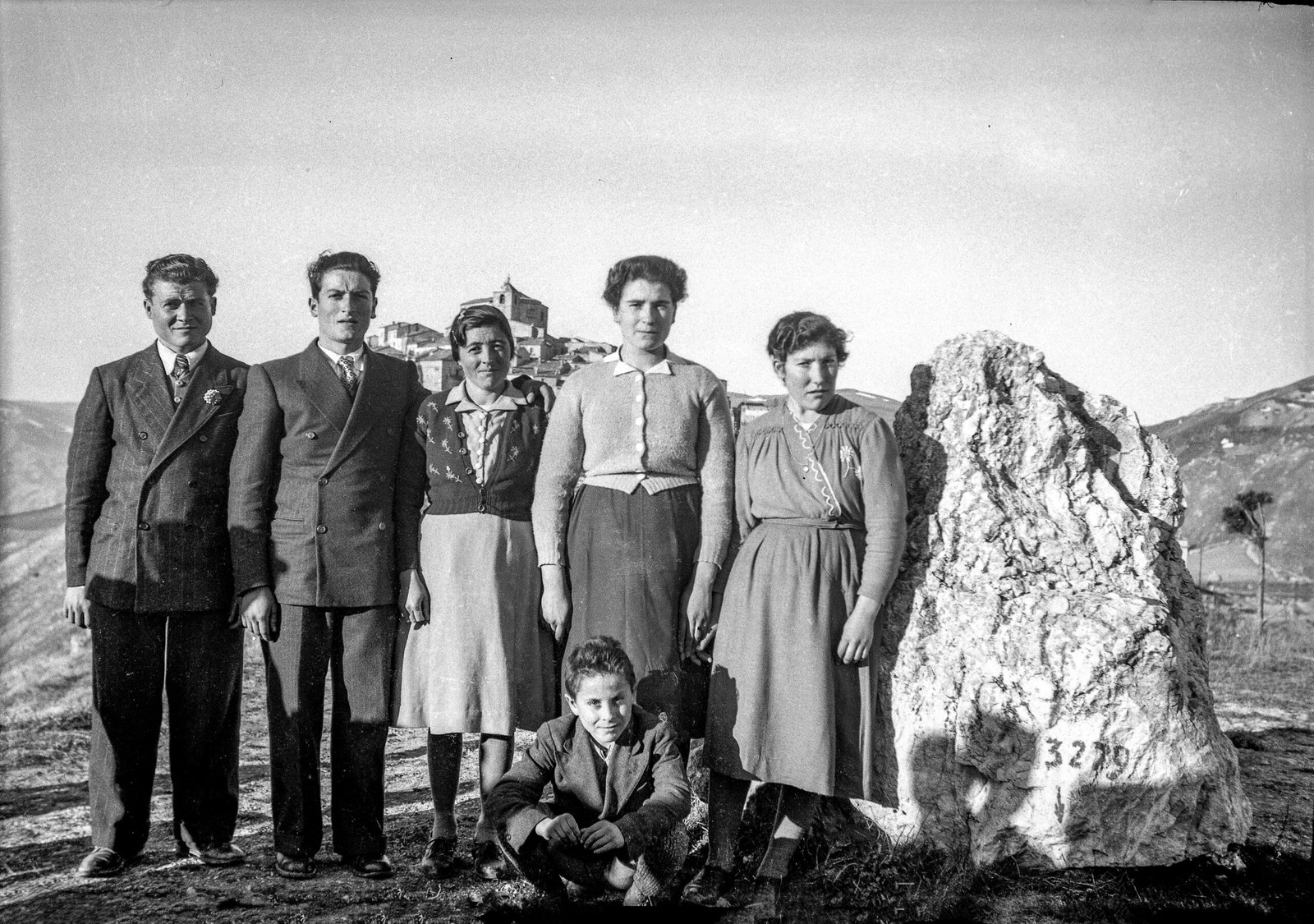
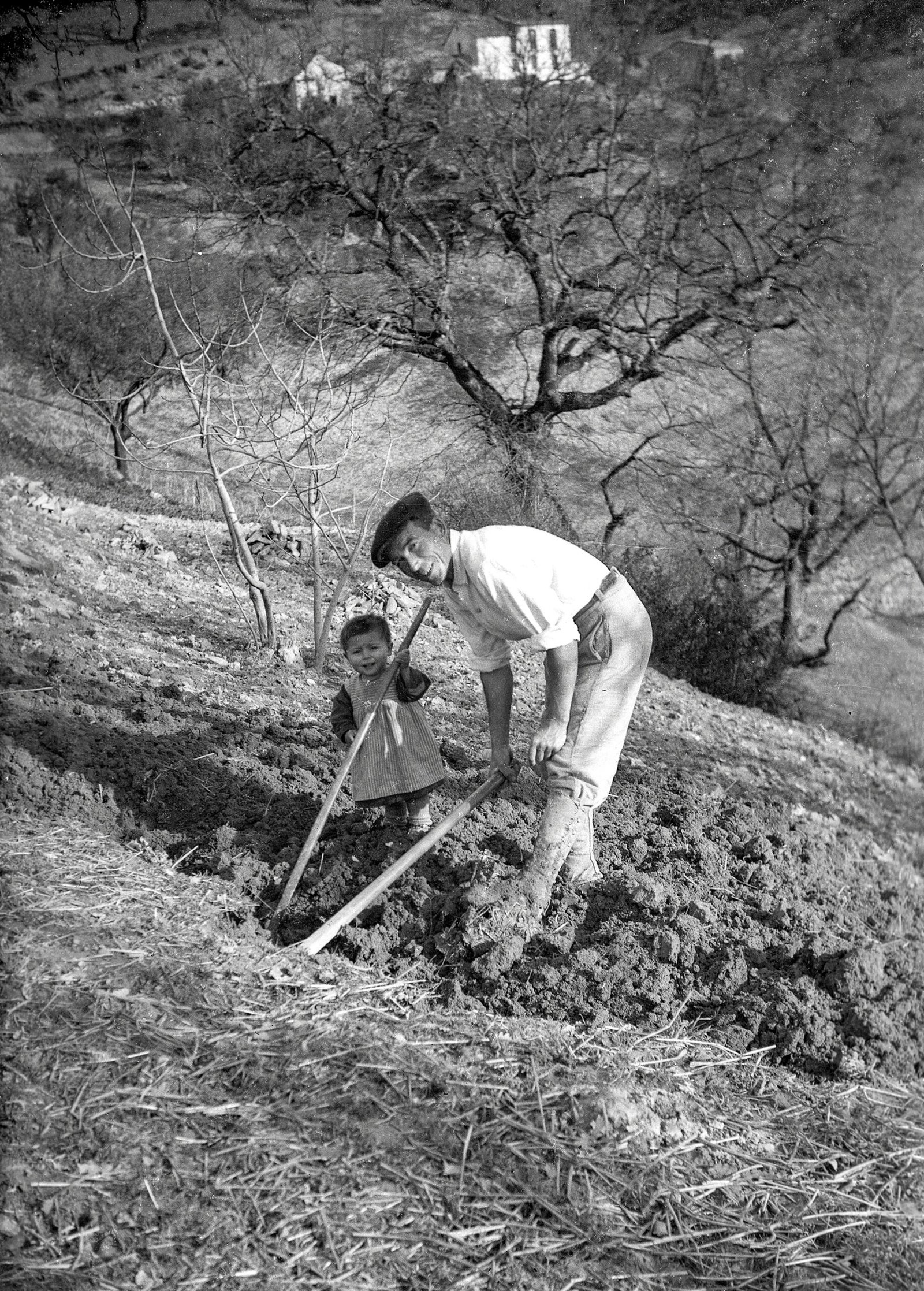
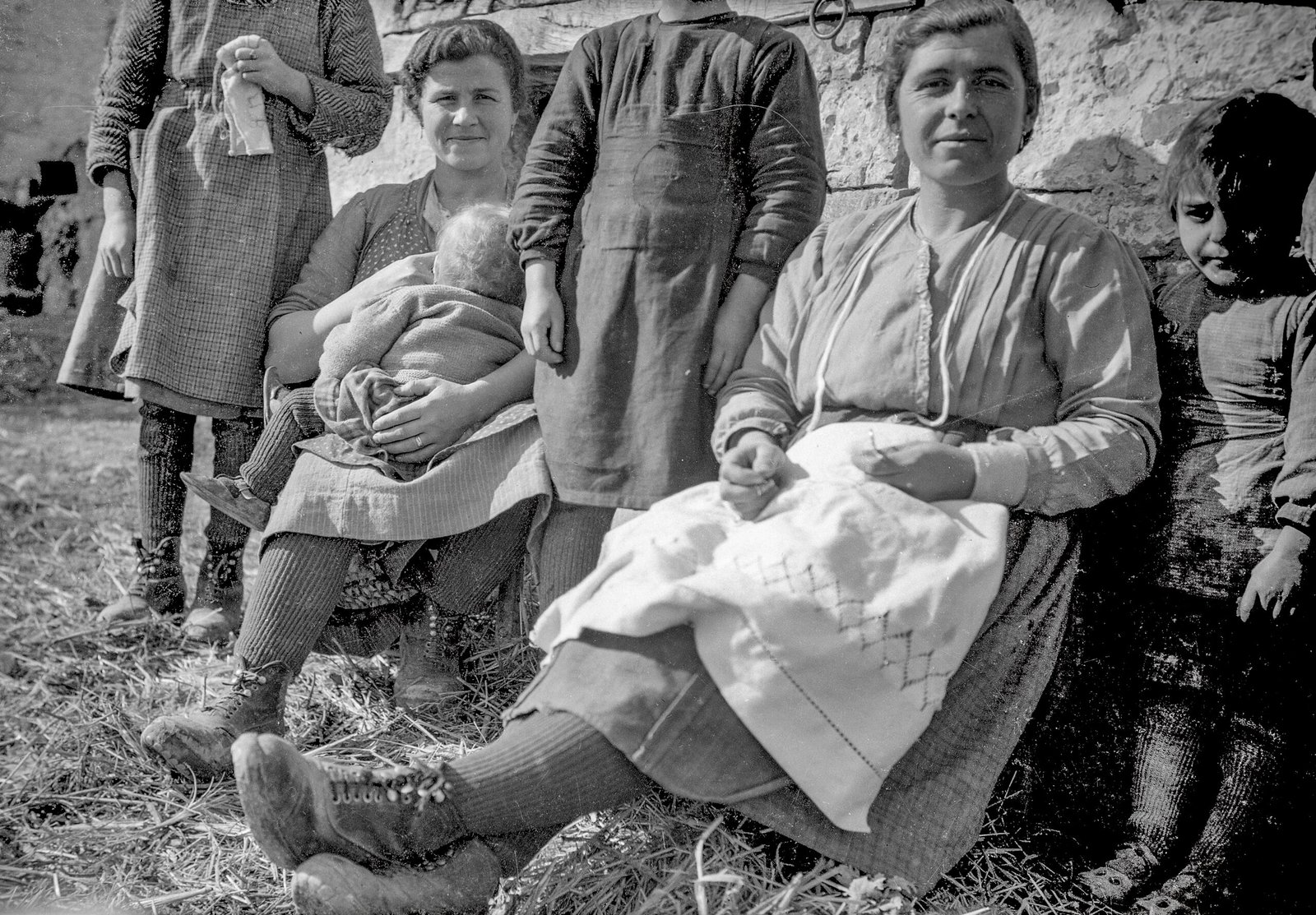
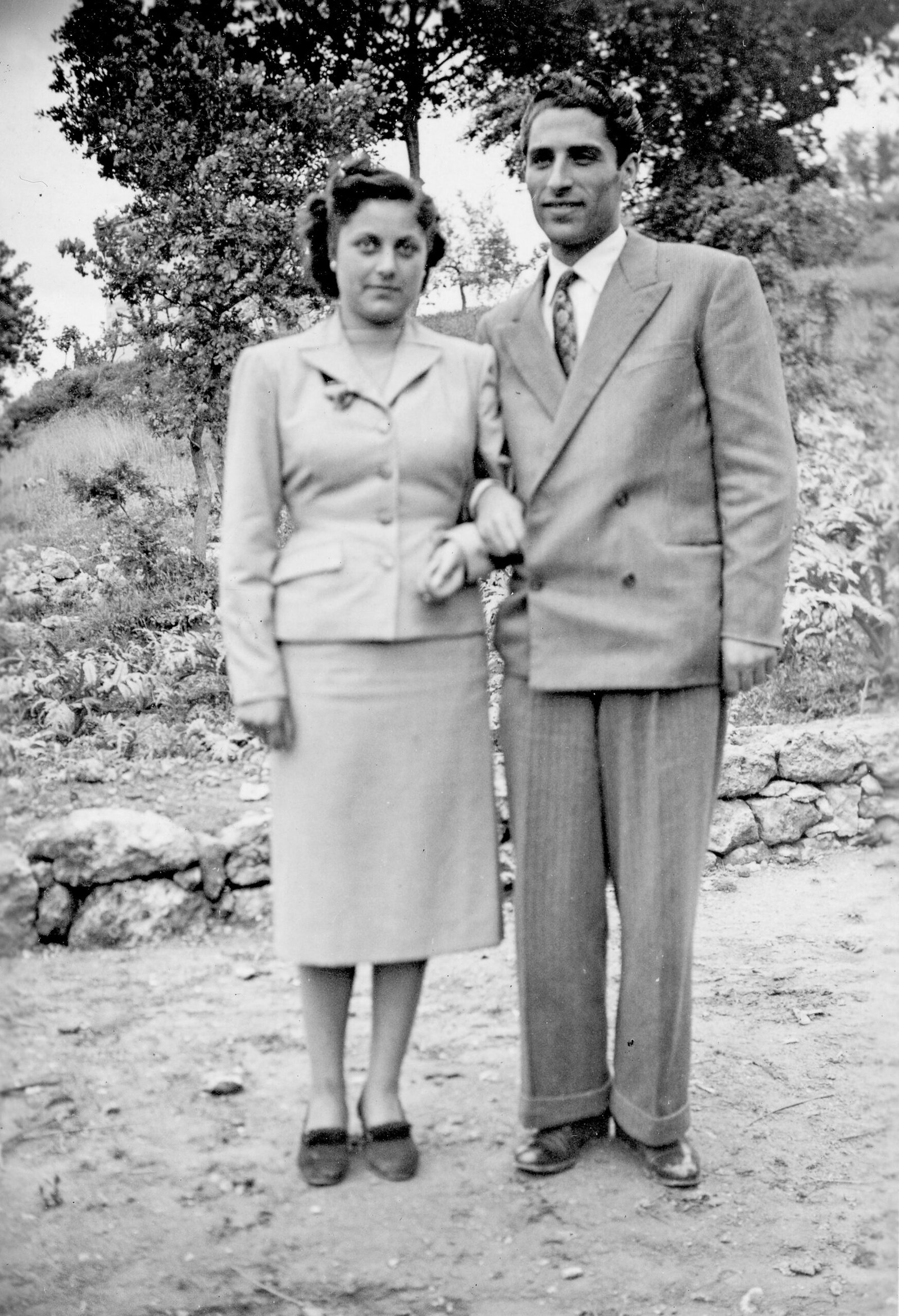
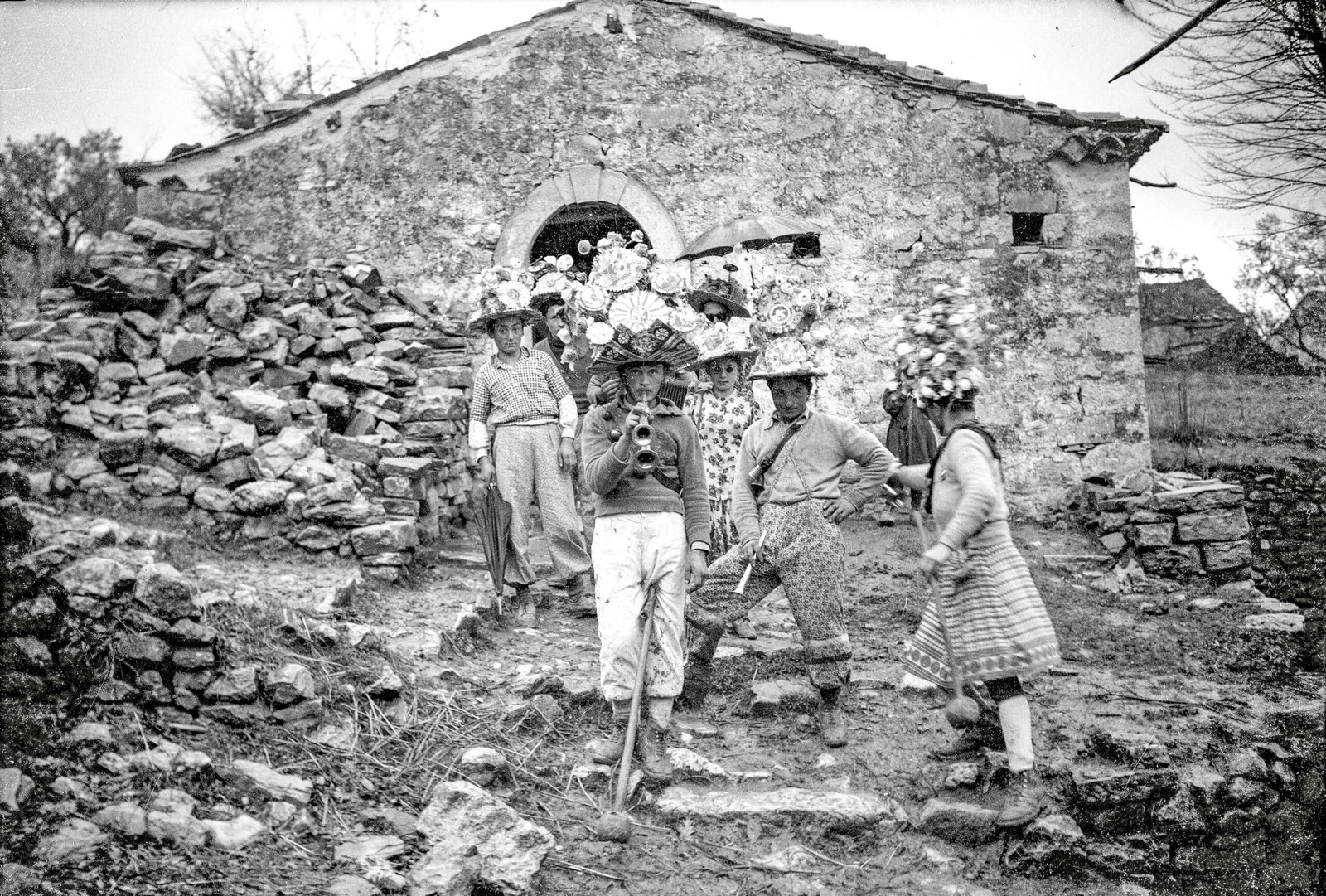
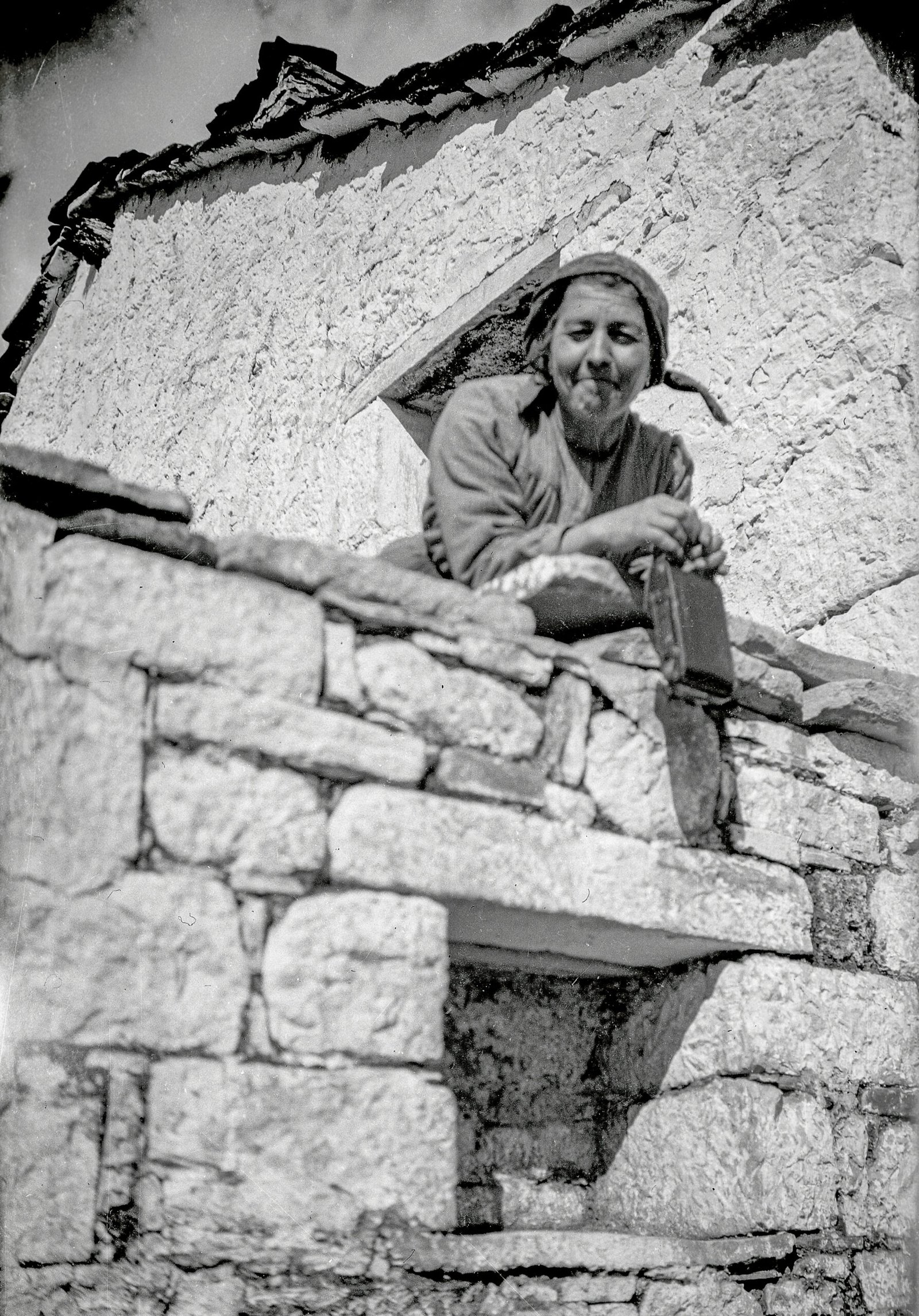
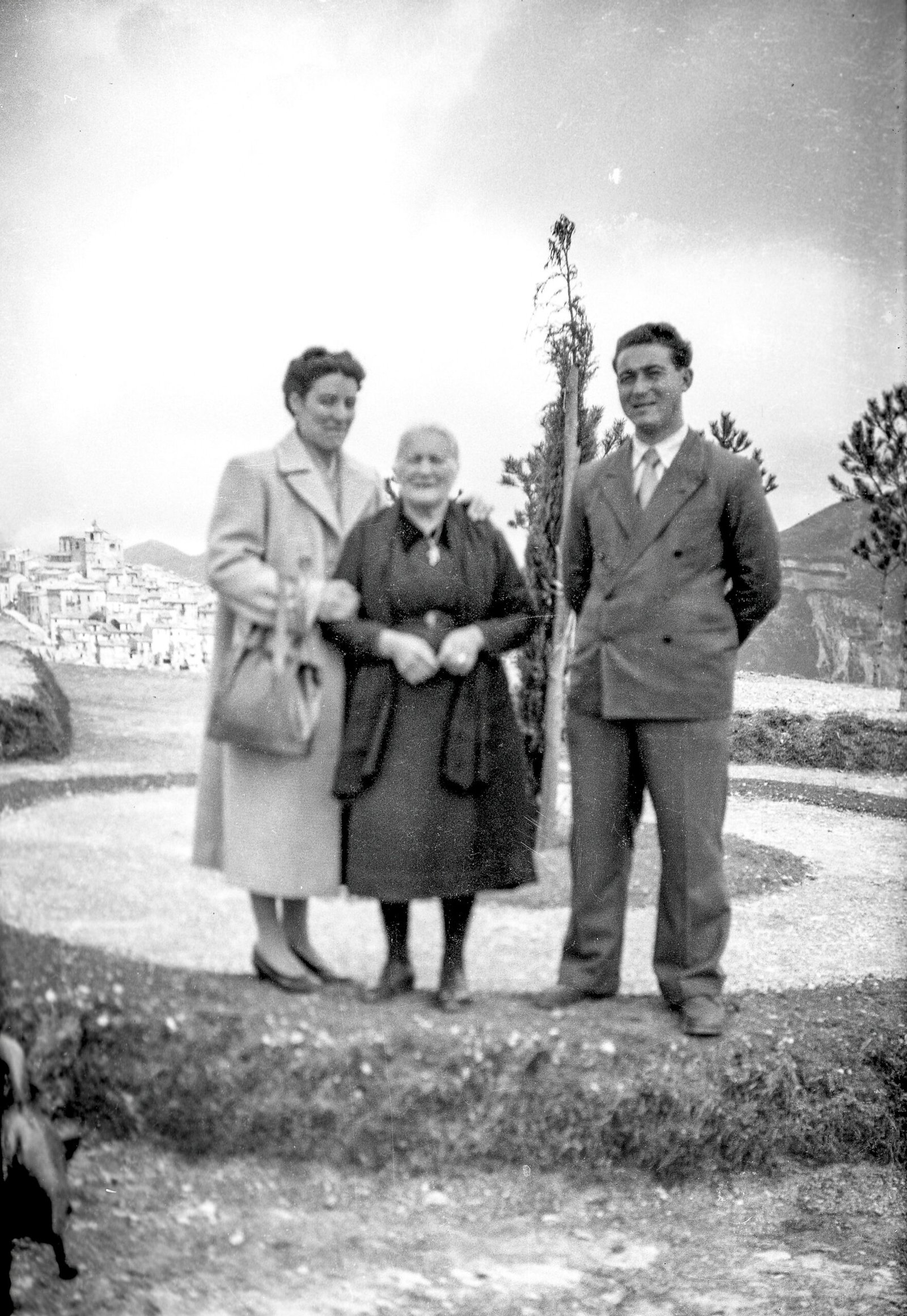
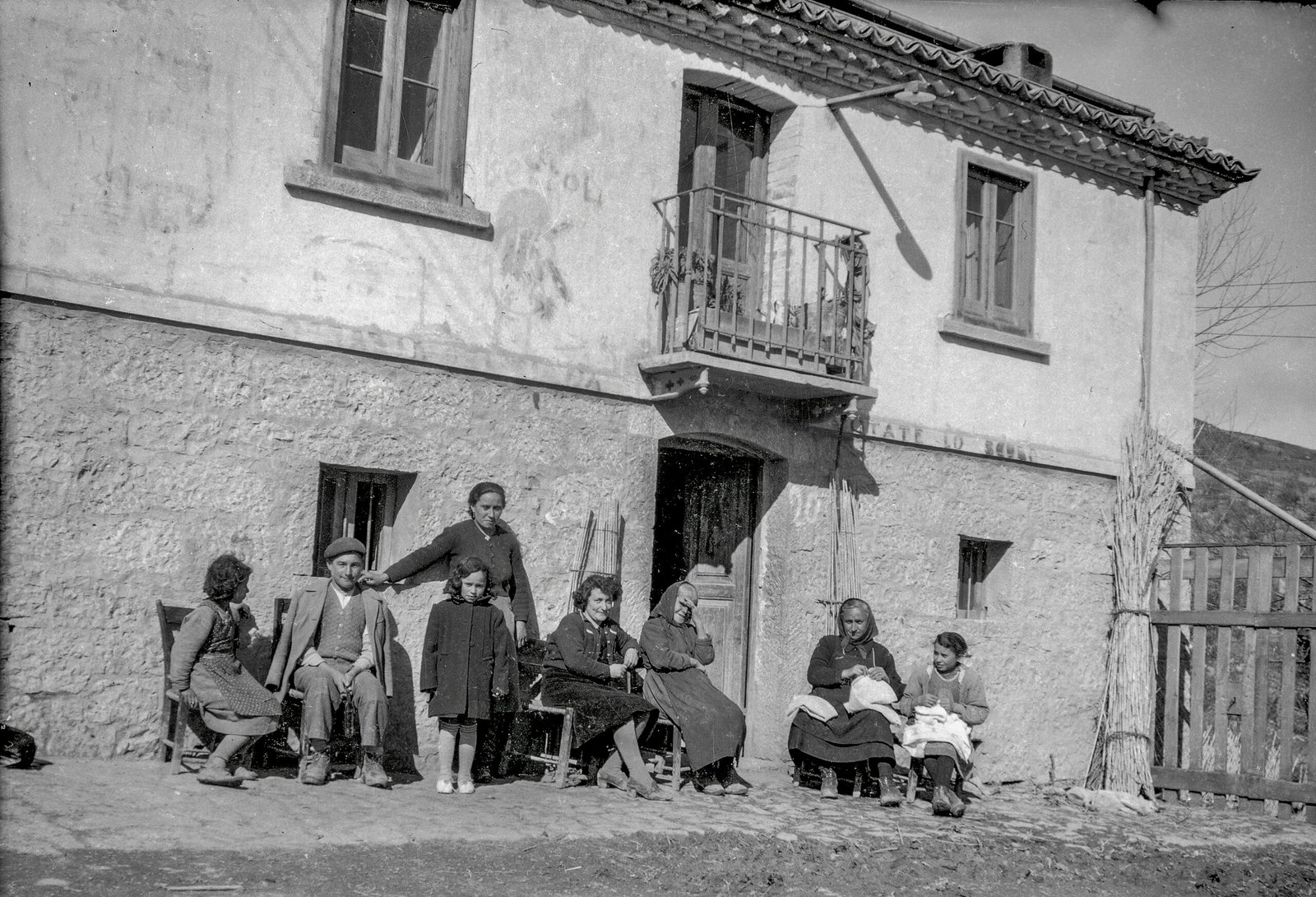
A selection from the Tucci family’s photographic archive. The photographs were taken during the family’s 1951 journey to Italy.
CREDITS AND SOURCES
Story and photographic archive: materials shared by Polly Corvaia and the Tucci family.
Editorial text: Abruzzo Connections, based on the family memories and documents made available for the project.
The information has been condensed to create a readable account that remains respectful of the original sources.
An open story
Every family archive can help a community recognize people, places, trades, and skills that might otherwise be lost.
CONTINUE THE STORY
From the Tucci family to more stories from Abruzzo
Return to the collection, discover Schiavi, or share a memory that can connect Abruzzo with its communities around the world.

ABRUZZO CONNECTIONS
From Roots to Relationships
Uno spazio digitale per connettere Abruzzo, comunità abruzzesi nel mondo, storie, territori, esperienze e saper fare.
LINK RAPIDI
IL PROGETTO
Abruzzo Connections nasce nell’ambito del progetto “Radici che Uniscono”, promosso dall’Associazione degli Abruzzesi in Paraguay e realizzato con il supporto del CRAM – Consiglio Regionale Abruzzesi nel Mondo / Regione Abruzzo. CUP: C74H25000280009.

Crediti fotografici: Marco Cirulli, Daniele Mauro, Angelo Ninni, Onayer Rosa Garrido e Giampaolo Di Biase
© 2026 Associazione degli Abruzzesi in Paraguay — Abruzzo Connections.
Tutti i diritti riservati, salvo i materiali attribuiti ai rispettivi autori e titolari.
Tutti i diritti riservati, salvo i materiali attribuiti ai rispettivi autori e titolari.